


Global beverage giant earns six awards across Outdoor, Social, Brand Experience and Industry Craft categories, reinforcing the growing commercial value of culturally relevant storytelling
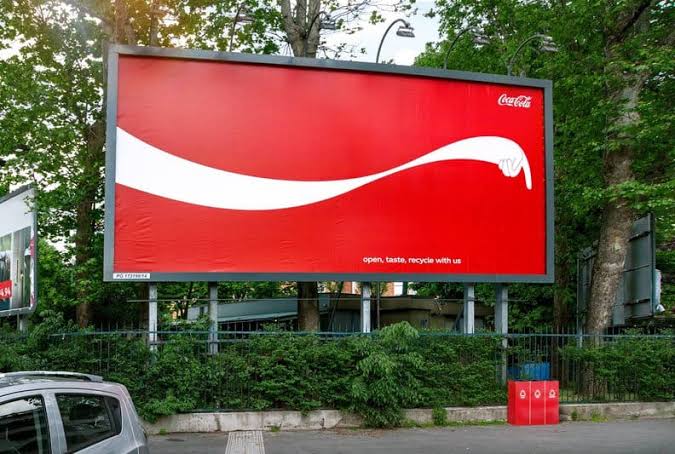
The Coca-Cola Company strengthened its reputation as one of the world’s most creatively awarded brands after securing six Lions at the 2026 Cannes Lions International Festival of Creativity, with campaigns from Mexico and Japan demonstrating how locally inspired ideas continue to generate global recognition.
The awards, announced during the 2026 festival in Cannes, France, span the Outdoor, Social & Creator, Brand Experience & Activation, and Industry Craft categories, highlighting Coca-Cola’s continued investment in culturally driven brand communication.
The company won two Gold Lions, one Silver Lion and three Bronze Lions, recognising campaigns that combined local consumer insights with innovative creative execution. Among the biggest winners was “The Last Coke in the Desert,” a campaign developed to commemorate 100 years of Coca-Cola in Mexico.
The initiative celebrated independent shopkeepers operating in some of Mexico’s most remote communities by recognising them as “The Last Coke in the Desert” – a symbolic tribute to resilience, community service and local hospitality.
The campaign received a Gold Lion in the Outdoor category, a Silver Lion in Brand Experience & Activation, and a Bronze Lion in Industry Craft for photography. Another standout campaign, “Chicken Screams for Coke,” won Gold in the Social & Creator category.
Developed in Japan, the campaign transformed a familiar cultural joke into an interactive digital experience by using audio-recognition technology capable of identifying when the sound produced by a rubber chicken resembled the phrase “Coca-Cola.”
Participants whose recordings matched the required sound received a digital drink voucher redeemable through nearby Coca-Cola vending machines. The activation ran between 31 March and 6 April 2026, combining humour, technology and consumer participation within Japan’s highly developed vending machine culture.
Coca-Cola also secured two Bronze Lions for “You Must Love Coke,” a football-themed campaign that explored one of sport’s strongest emotional behaviours—supporters’ reluctance to wear rival team colours.
Rather than displaying Coca-Cola’s signature red directly, the campaign employed optical illusions that encouraged consumers to mentally reconstruct the familiar brand colour through memory and emotional association.
The campaign received Bronze recognition in Industry Craft (Art Direction) and Brand Experience & Activation. According to the company, the award-winning campaigns were developed through collaboration between teams across The Coca-Cola Company, WPP Open X, VML, Ogilvy, Grey and WPP Media, reflecting the increasingly integrated nature of global brand communication.
BrandiQ Analysis
The Bigger Story Is Not the Awards – It Is the Business Value of Creativity
Winning at Cannes Lions has never been solely about collecting trophies. For multinational brands, creative excellence has become an increasingly important indicator of commercial competitiveness.
Coca-Cola’s six Lions this year illustrate a broader trend in global marketing: the world’s strongest brands are relying less on traditional advertising and more on culturally meaningful storytelling that creates emotional connections with consumers.
Each of Coca-Cola’s winning campaigns emerged from a distinctly local cultural insight rather than a universal global message. That approach reflects a growing recognition that while brands may operate globally, consumer relationships are often built through local experiences, traditions and shared identities.
Local Ideas Are Becoming Global Brand Assets
Perhaps the most striking feature of Coca-Cola’s 2026 Cannes performance is that all three major campaigns originated from specific local markets. Mexico provided the backdrop for a campaign celebrating rural shopkeepers.
Japan inspired a technology-enabled activation built around a humorous cultural reference. Football supporters’ emotional attachment to team colours became the foundation of another campaign.
Together, these examples reinforce one of contemporary marketing’s most important lessons: global brands increasingly achieve international relevance by telling authentic local stories.
Experience Is Replacing Exposure
Another noticeable pattern is the movement away from conventional advertising towards consumer participation. Rather than relying solely on television commercials or static outdoor advertising, Coca-Cola created experiences that invited consumers to interact with the brand.
Whether through recognising remote retailers, participating in digital challenges or engaging with football culture, consumers became active participants rather than passive audiences. This reflects a broader shift across the marketing industry, where memorable experiences increasingly generate stronger brand engagement than traditional promotional messages.
What African Brands Can Learn
For African marketers, Coca-Cola’s Cannes success offers an important strategic lesson. Creative effectiveness is no longer determined by advertising budgets alone. It depends on the ability to uncover authentic cultural insights, translate them into compelling consumer experiences and execute them creatively across multiple channels.
Africa possesses an abundance of rich cultural narratives, local traditions and everyday human experiences capable of inspiring globally recognised campaigns.
The challenge is not the absence of stories. It is the ability to transform those stories into creative ideas that resonate both locally and internationally. Ultimately, Coca-Cola’s performance at Cannes Lions 2026 demonstrates that creativity remains one of the most valuable competitive assets in modern marketing.
In an era where products are increasingly similar and consumer attention is harder to capture, brands that consistently combine cultural relevance with creative excellence are more likely to build lasting emotional connections, strengthen brand equity and sustain long-term commercial leadership.