

Company says product quality, shareholder value and sustainability strategy remain unchanged following ownership transition
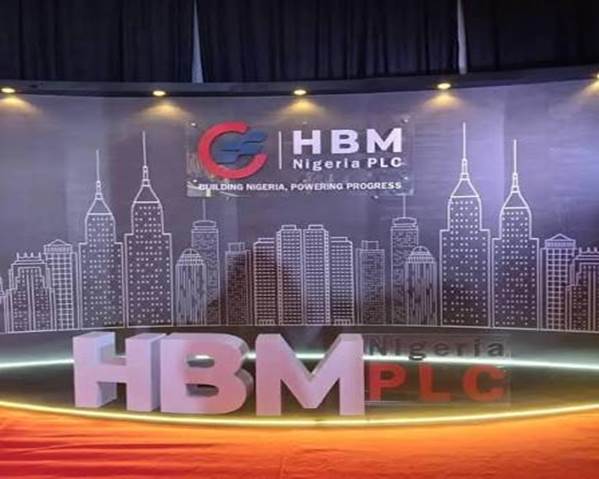
HBM Nigeria Plc has reassured customers, investors and business partners that its transition from the Lafarge Africa identity will not affect product quality, shareholder value or operational performance as the company begins a new chapter under its new ownership.
The rebranding follows the acquisition of Holcim’s controlling stake in the company by Huaxin Building Materials Group, with the transition being implemented through a phased nationwide rollout designed to minimise operational disruption.
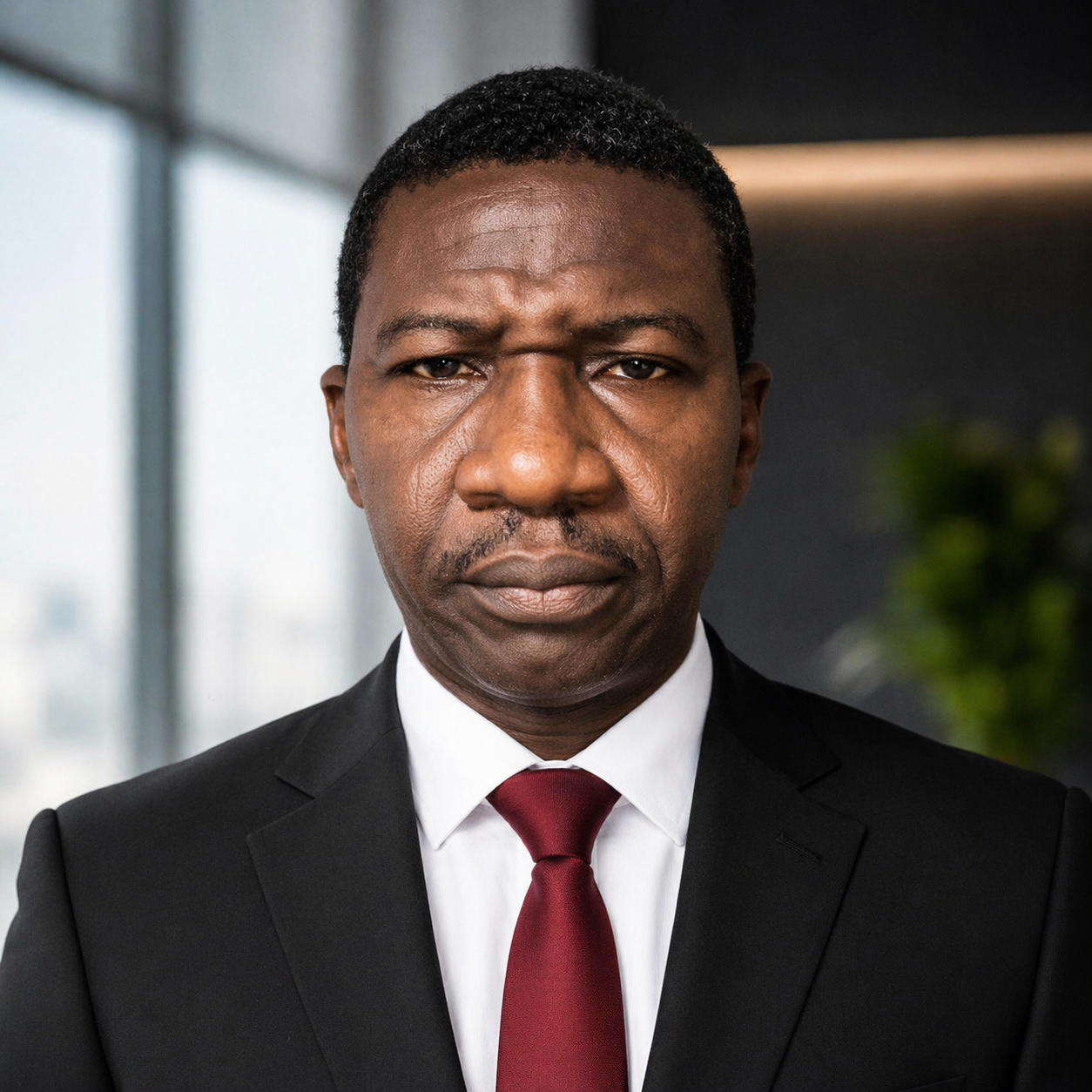
Speaking during a media briefing in Lagos, Group Managing Director and Chief Executive Officer, Lolu Alade-Akinyemi, said the ownership change provides access to additional engineering expertise and manufacturing capabilities expected to strengthen the company’s long-term competitiveness.
“The transition to HBM Nigeria Plc follows the acquisition of Lafarge Africa Plc’s controlling stake by Huaxin Building Materials Group. The new ownership provides access to engineering expertise and manufacturing capabilities expected to strengthen operational performance.”
He added that the company remains committed to improving product availability while supporting Nigeria’s growing construction sector through sustainable building solutions.
Responding to concerns about possible product changes, Head of Marketing, Oluyomi Moses, emphasised that customers should expect continuity. “The impact of the name change on our products and solutions is zero. Nothing has changed. Our product brands remain the same, and our quality remains the trusted quality Nigerians have relied on for decades.”
According to the company, HBM Nigeria will continue manufacturing its existing range of cement products, including specialised construction solutions and lower-carbon products such as EcoCrete, which the company says reduces carbon emissions by approximately 30 per cent.
The company also reaffirmed its commitment to sustainability programmes, vocational training initiatives and circular economy projects, including waste co-processing partnerships with the Lagos State Government.
BrandiQ Insight
Corporate Rebranding Is Ultimately About Trust
Rebranding following an acquisition is rarely about changing a logo. The larger challenge is preserving stakeholder confidence. Customers, investors and employees naturally seek reassurance that product quality, service standards and corporate values will remain intact. Managing this transition successfully is fundamentally an exercise in reputation management.
Brand Equity Can Outlive Brand Names
Lafarge spent decades building trust within Nigeria’s construction industry. HBM’s challenge will be transferring that accumulated goodwill to a new corporate identity without weakening customer confidence. Successful post-acquisition rebranding depends on demonstrating continuity rather than simply introducing a new visual identity.
Chinese Investment Continues to Reshape African Industry
The acquisition also reflects broader changes in global industrial investment. Chinese manufacturing groups continue expanding their presence across Africa, bringing new production technologies, engineering expertise and capital while integrating African operations into larger international manufacturing networks.
Sustainability Is Becoming Part of Competitive Positioning
HBM’s emphasis on lower-carbon cement, circular economy initiatives and community development illustrates how sustainability is becoming increasingly integrated into corporate strategy. For industrial companies, environmental performance is gradually evolving from a compliance requirement into a source of competitive differentiation.
The Bigger Picture
HBM Nigeria’s transition illustrates one of the most delicate challenges in corporate strategy: changing ownership while preserving brand trust. For customers, the true measure of the new brand will not be its name, but its ability to consistently deliver the quality, reliability and innovation associated with its predecessor.
In corporate rebranding, reputation is not inherited automatically—it must be continuously earned through performance, consistency and stakeholder confidence.