


Award-winning documentary transforms a retired sports car into a powerful lesson on customer loyalty, brand heritage and the enduring commercial value of authentic storytelling
Nearly three decades after production of the iconic Mazda RX-7 ended, the legendary rotary-powered sports coupe has returned to the global spotlight – not through engineering innovation, but through the power of emotional storytelling.
Mazda’s short documentary, “Goodbye RX-7: Saying Farewell to a Dear Friend,” has won a Bronze Lion in the Entertainment Lions category at the 2026 Cannes Lions International Festival of Creativity, demonstrating how authentic human stories can continue to strengthen brand equity long after a product has left the production line.
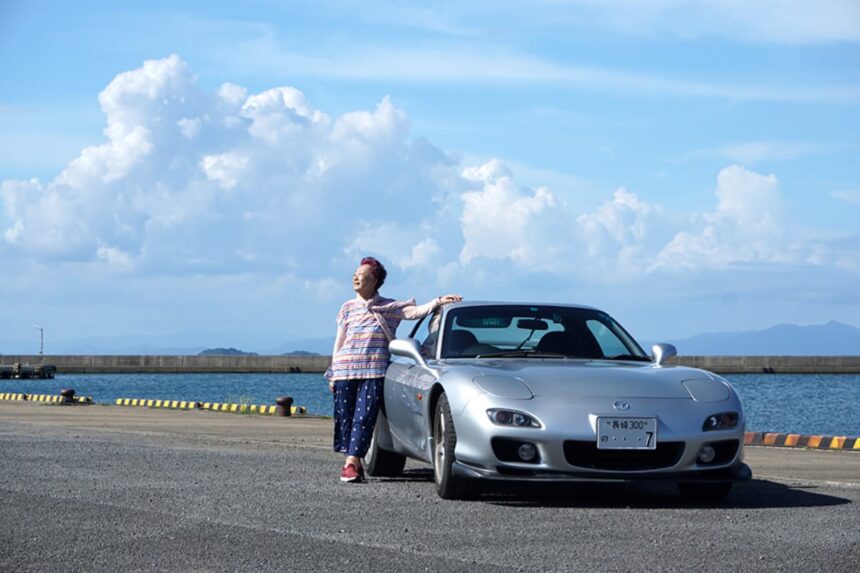
Released in 2025, the ten-minute documentary chronicles the final days of ownership between Naoko Nishimoto, then aged 79, and her cherished RX-7 sports car. Nishimoto purchased the vehicle in 2000 at the age of 55 and drove it daily for two decades before deciding to surrender her driver’s licence upon turning 80.
Rather than focusing on the car’s engineering credentials or performance, the documentary explores the emotional bond between owner and automobile, portraying the vehicle as a companion that accompanied its owner through an important chapter of her life.
The film concludes with Nishimoto donating the RX-7 to Kyushu Mazda Akasako Store, where the vehicle now serves as a heritage display and promotional attraction for the brand.
Mazda announced that the documentary received Bronze recognition at Cannes Lions 2026, one of the advertising and creative communications industry’s most prestigious global competitions. The recognition comes as speculation continues within the automotive industry regarding a possible revival of the RX-7 nameplate or the development of a successor inspired by Mazda’s Iconic SP Compact Sports Car Concept, first unveiled at the 2023 Japan Mobility Show.
While Mazda has not confirmed any production plans, renewed public interest in the RX-7 continues to reinforce the vehicle’s status as one of the company’s most enduring performance icons.
BrandiQ Analysis
The Award Was Not for a Car – It Was for a Relationship. The Mazda documentary highlights one of modern branding’s most important realities: Consumers rarely build lifelong relationships with products. They build relationships with experiences, memories and emotions.
By focusing on the owner’s personal journey rather than the vehicle’s technical specifications, Mazda demonstrated that powerful storytelling often creates deeper consumer engagement than traditional product advertising. The Cannes recognition therefore celebrates not the RX-7 itself, but the emotional connection the brand succeeded in communicating.
Brand Heritage Is Becoming a Competitive Asset
Many companies view heritage merely as corporate history. Leading brands increasingly treat it as a strategic business asset. Rather than allowing an iconic product to fade into nostalgia, Mazda transformed the RX-7’s legacy into contemporary brand communication.
This approach strengthens trust, reinforces authenticity and reminds consumers that enduring brands are built not only on innovation but also on lasting customer relationships. As markets become increasingly crowded and products more technologically similar, heritage can become an important source of competitive differentiation.
Emotion Is Outperforming Product Features
One notable aspect of the documentary is the absence of conventional marketing language. There are no lengthy discussions about horsepower, acceleration or engineering specifications. Instead, the narrative centres on gratitude, companionship and shared memories.
This reflects a broader shift in global marketing. Brands are increasingly discovering that emotional relevance often influences purchasing decisions more strongly than technical superiority. Consumers remember how brands make them feel long after they have forgotten product specifications.
Lessons for African Brands
The success of Mazda’s documentary offers an important lesson for African organisations. Many companies possess decades of customer stories, community relationships and cultural milestones that remain largely undocumented.
These authentic narratives represent valuable brand assets capable of strengthening reputation, building consumer trust and creating distinctive market positioning.
Rather than relying exclusively on promotional advertising, organisations can build stronger emotional connections by celebrating the people whose lives have been shaped by their products and services.
The Bigger Picture
The Bronze Lion awarded to Mazda illustrates a broader evolution in brand communication. Marketing is moving beyond persuasion towards meaningful storytelling rooted in human experience. The most successful campaigns are increasingly those that reveal genuine relationships between brands and the communities they serve.
For marketers, the message is clear. Great brands are remembered not simply because they manufacture exceptional products, but because they create experiences that become part of people’s lives. Nearly 35 years after its launch and decades after production ended, the Mazda RX-7 has demonstrated that while products may eventually leave the showroom, authentic stories can continue generating brand value for generations.