

Sean Devlin Calls for Deeper Client-Agency Relationships to Drive Long-Term Business Growth
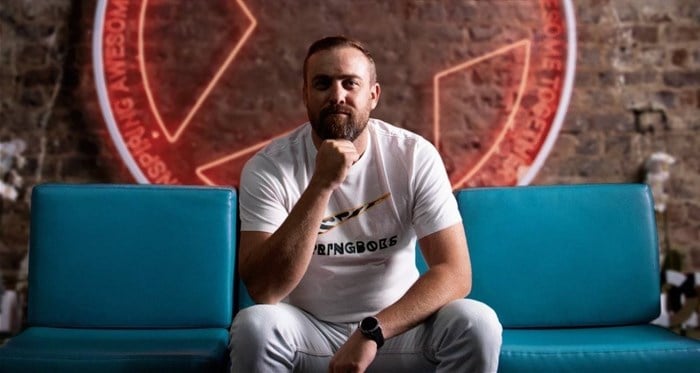
Brands seeking stronger marketing performance and sustainable business growth should rethink how they engage their agencies, according to Sean Devlin, Business Development Director at Penquin, who argues that the most successful client-agency relationships are built on strategic partnership rather than transactional supplier arrangements.
Devlin made the case as businesses face increasing pressure to accelerate growth, demonstrate return on investment, navigate market complexity and deliver measurable commercial outcomes.
According to him, many organisations invest significant time and resources searching for the right agency, only to undermine the relationship by treating agencies as vendors tasked solely with executing briefs and delivering campaigns.
“The biggest misconception many businesses have is that strategic value automatically comes with hiring an agency,” Devlin said.
“In reality, if an agency only receives a brief, they can only deliver against that brief. If you only share the brief, you’ll only ever get expected outcomes.”
He noted that while traditional client-agency engagements often revolve around project management, timelines and deliverables, such arrangements may prevent agencies from contributing the strategic thinking that organisations increasingly require.
Devlin argued that the strongest agency relationships are built on trust, transparency, business context and shared accountability. “The brief is the starting point, not the solution,” he said. “Great work comes from challenge, not just agreement. The best agencies don’t simply execute instructions. They interrogate the brief, uncover the real business challenge and help clients solve problems they may not have fully identified yet.”
According to him, unlocking greater value from agency relationships requires commitment from both parties.
For clients, this means providing agencies with deeper visibility into business objectives, market realities, competitive pressures and long-term growth ambitions. For agencies, it means moving beyond campaign execution to contribute strategic insights, challenge assumptions and take greater ownership of business outcomes.
“Dual accountability is critical,” Devlin explained. “Clients need to create an environment of openness and trust, while agencies need to earn their seat at the table by bringing insight, perspective and meaningful solutions.”
He added that organisations that embrace this partnership model often benefit from stronger relationships, more effective marketing programmes and improved business performance.
“The more your agency understands your business, the more accountable they can be to your results,” Devlin said. “You don’t get strategic value from a supplier relationship. You get strategic value from a partnership.”
As marketing ecosystems become increasingly complex and customer expectations continue to evolve, Devlin believes brands should assess agency relationships through a long-term strategic lens rather than focusing solely on short-term campaign outcomes.
While campaign metrics and project deliverables remain important, he argued that they often fail to capture the broader value agencies can create when given the opportunity to contribute consistently to strategic business conversations.
“The more your agency understands your business, the more accountable they can be to your results. Partnerships are about building momentum as much as they are about delivering campaigns,” he said.
“When agencies have access to context and trust, they can help create consistency, identify opportunities earlier and contribute to stronger business outcomes over the long term.”
For marketing leaders seeking to derive greater value from their agency investments, Devlin offered a straightforward recommendation.
“Stop treating the brief as the finish line,” he advised. “Treat it as the beginning of a conversation. Great work comes from challenge, not just agreement. The quality of the work is a reflection of the quality of the relationship behind it.”
His comments come at a time when brands are increasingly demanding greater accountability, innovation and measurable business impact from their agency partners while navigating a rapidly changing marketing landscape.