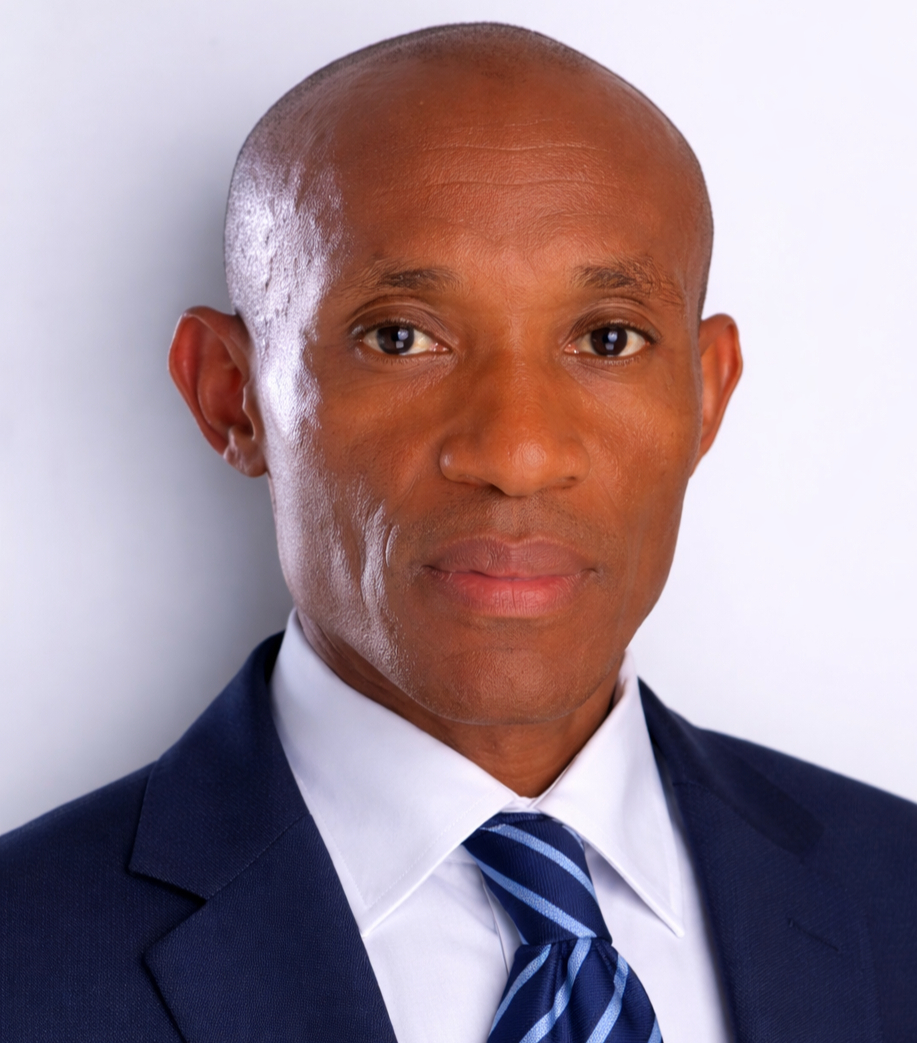

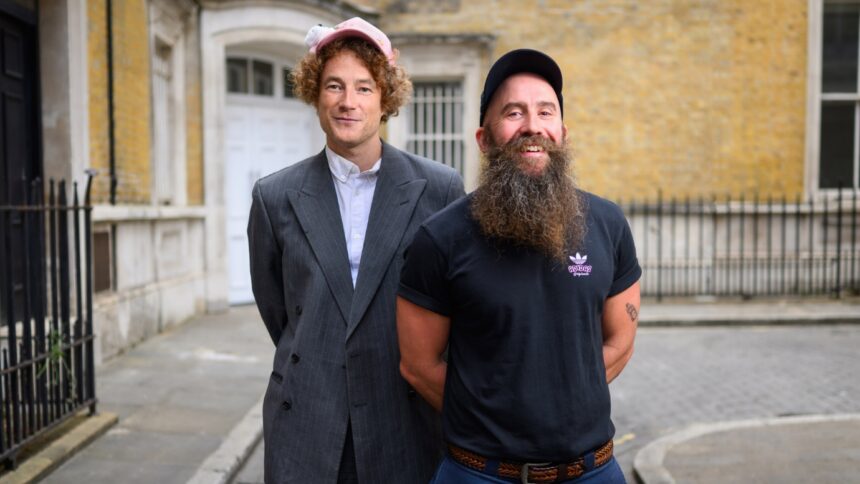

The former Ogilvy creative partners bring two decades of collaboration and a portfolio of culturally influential campaigns as Publicis London seeks to build on recent creative momentum
Publicis London has appointed creative partners David Anderson and Ian Brassett as creative directors, adding an experienced creative partnership to a department led by Chief Creative Officer Noël Bunting. The pair will work across the agency’s international client portfolio, collaborating with Bunting to develop culture-shaping, multi-market creative work.
The appointment brings to Publicis London a creative partnership that has worked together for 19 years. Anderson and Brassett join after eight years at Ogilvy, where they led campaigns for major brands and institutions including Dove, Coca-Cola, Boots’ Soltan and the Mayor of London. They have also held creative positions at FCB Inferno and M&C Saatchi.
Their record is notable not simply for the number of awards attached to their work but for the subjects their campaigns have attempted to influence. Their work for Dove, #TurnYourBack, challenged the impact of AI-generated beauty filters on young people’s self-esteem and became a global initiative, winning a Grand Prix at Cannes among other accolades. Their “Say Maaate to a Mate” campaign for the Mayor of London addressed everyday misogyny by giving men practical ways to challenge inappropriate behaviour among their friends.
That combination of cultural relevance and behavioural ambition appears central to Publicis London’s decision to bring the pair into its creative leadership. Bunting described Anderson and Brassett as creatives whose ideas consistently generate genuine public interest, while emphasising their ambition and concern for the quality of the work.
“They’ve consistently come up with ideas that people genuinely care about,” Bunting said. “They’re ambitious, restless and they care deeply about the quality of the work.”
The appointments are part of a broader strengthening of Publicis London’s senior leadership. Earlier this year, Loren Cook and Bronwyn Sweeney were appointed joint global creative directors, while Trent Patterson and Katie Hibbard were promoted to chief executive officer and chief strategy officer respectively. The agency has also added new clients and secured creative and effectiveness awards over the past year.
For Anderson and Brassett, the attraction appears to be as much about the agency’s creative culture as its client portfolio. Brassett said the agency’s recent momentum and ambition were important factors in their decision, while Anderson highlighted the mix of perspectives and openness within the organisation.
“What stood out straight away was the mix of people and perspectives at Publicis London,” Anderson said, describing the agency as open in how it thinks and collaborates.
BrandiQ Analysis
The significance of this appointment extends beyond two senior creatives changing agencies. Publicis London is effectively acquiring a proven creative partnership with a record of turning social tensions into brand ideas. That is increasingly valuable in an advertising market in which cultural relevance has become one of the principal battlegrounds for attention.
The Dove work is particularly instructive. #TurnYourBack did not merely demonstrate what artificial intelligence could do; it interrogated what AI could do to people’s perception of themselves. That distinction matters. As generative AI becomes embedded in advertising production, the competitive advantage of agencies will increasingly depend not on their ability to use the technology, but on their ability to understand its social consequences and turn those tensions into meaningful creative propositions.
The Mayor of London’s “Say Maaate to a Mate” campaign demonstrates another dimension of contemporary advertising: brands and institutions increasingly compete for influence in culture, not simply for exposure in media. The campaign sought to change behaviour by giving audiences a practical response to a social problem. In that sense, creativity becomes a form of social intervention.
Publicis London’s move therefore fits a wider industry shift from creative production to creative influence. The question facing agencies is no longer simply whether they can produce an attractive campaign. It is whether their ideas can enter culture, change conversations, influence behaviour and ultimately generate measurable value for the client.
There is also a strategic lesson in the longevity of Anderson and Brassett’s partnership. Nineteen years of collaboration suggests that the agency is not simply hiring two individuals but acquiring an established creative operating system: shared judgement, complementary thinking, accumulated trust and an ability to develop ideas together. In an industry increasingly organised around fluid teams, freelancers, AI tools and project-based production, durable creative partnerships can themselves become a competitive asset.
BrandiQ Verdict
Publicis London’s appointment of Anderson and Brassett is best understood as a bet on creative continuity in an age of technological disruption.
The agency is adding creatives whose strongest work demonstrates that powerful advertising still begins with a human tension: insecurity about appearance, discomfort with social behaviour, or a desire to change something people take for granted. Technology can amplify such ideas, but it cannot manufacture the cultural understanding from which they emerge.
That may ultimately be the more important message in this appointment. As AI makes advertising production faster and potentially cheaper, the premium will increasingly move upstream—to people who can identify the right human problem, find the unexpected cultural insight and turn it into an idea worth caring about.
For Publicis London, Anderson and Brassett bring precisely that proposition: not simply more creative capacity, but demonstrated experience in making advertising matter.