

By using this site, you agree to the Privacy Policy and Terms of Use.
Accept
BrandiQBrandiQBrandiQ
  • Brand & Marketing
  • Industry News
  • Market Intelligence
  • Business & Economy
  • Technology & Digital
Reading: The Most Valuable African Brand Assets: What Truly Builds Enduring Power on the Continent
Share
0

No products in the cart.

Notification Show More
Font ResizerAa
BrandiQBrandiQ
0
Font ResizerAa
Search
  • Brand & Marketing
  • Industry News
  • Market Intelligence
Have an existing account? Sign In
Follow US
© 2026 Brand IQ. All Rights Reserved.
Market Intelligence

The Most Valuable African Brand Assets: What Truly Builds Enduring Power on the Continent

Beyond Logos—Understanding Real Brand Value in Africa

BrandiQ Analyst
Last updated: March 23, 2026 7:20 am
BrandiQ Analyst
March 23, 2026
Share
9 Min Read
african brand assets
SHARE

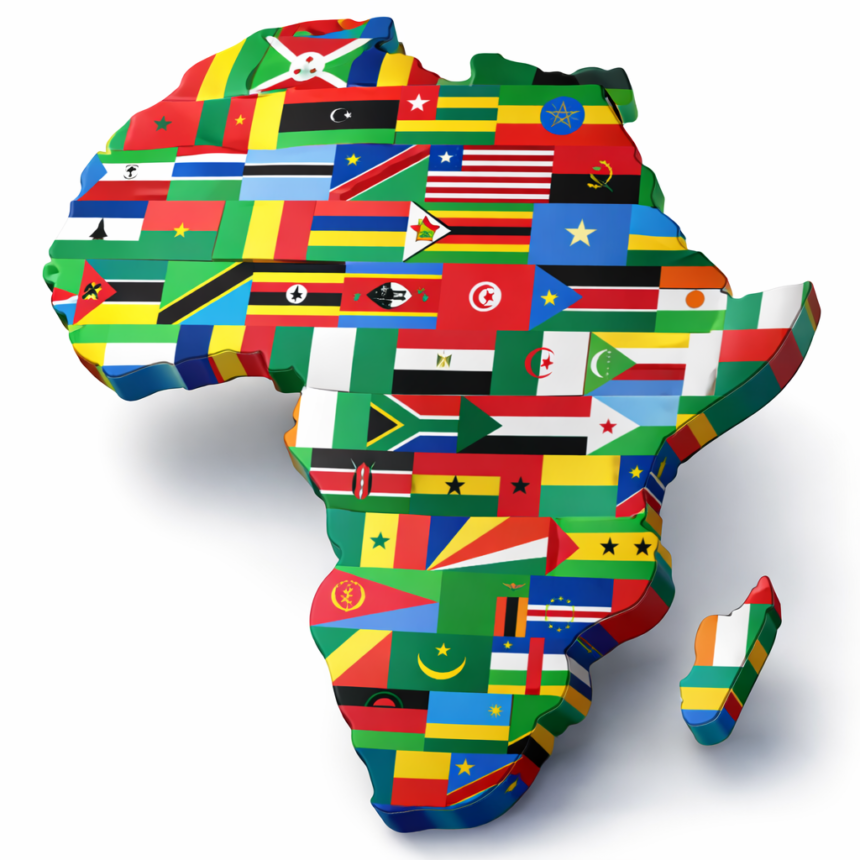
In Africa’s fast-evolving economic landscape, the concept of brand value has moved far beyond logos, slogans, and advertising budgets. Today, the most valuable African brand assets are deeply embedded in trust, infrastructure, cultural relevance, distribution power, and digital ecosystems.

Contents
Why Trust Matters More in AfricaCase Study: Dangote’s Distribution EmpireCase Study: MTN’s Market ReachCase Study: M-Pesa by SafaricomWhy Digital Ecosystems MatterExample: Nando’sExample: Ethiopian AirlinesCase Study: MTN’s Social ImpactWhy Purpose MattersTop Sectors by Brand ValueKey PlayersCase Study: Airtel AfricaWinning StrategyApplications of Data in African BrandingExample

Brands are no longer competing solely on product quality—they are competing on relevance, resilience, and reach.

Recent data from global brand valuation consultancy Brand Finance shows that sectors like telecoms, banking, and retail dominate Africa’s brand ecosystem, with companies like MTN Group leading as the continent’s most valuable brand at approximately $2.9 billion.

But what exactly are the assets behind these brands? What makes them valuable—not just in financial terms, but in influence, longevity, and market dominance?

This article breaks down the true pillars of African brand value, supported by real-world examples and insights shaping the continent.

1. Trust Capital: Africa’s Most Powerful Brand Currency

In markets where institutional systems can be inconsistent, trust becomes the ultimate differentiator.

African consumers don’t just buy products—they buy assurance.

Brands like Dangote Group have built empires not just on scale, but on perceived reliability. Dangote Cement, for example, dominates multiple African markets because it is seen as dependable in quality and availability.

Similarly, Standard Bank has maintained its reputation as one of Africa’s most trusted financial institutions, consistently ranking among the most admired brands in financial services.

Why Trust Matters More in Africa

  • Weak regulatory enforcement in some markets
  • High exposure to counterfeit products
  • Heavy reliance on word-of-mouth and community validation

Insight: In Africa, trust is not built through messaging—it is built through consistent delivery over time.

2. Distribution Power: The Hidden Asset Behind Market Dominance

One of the most underestimated brand assets in Africa is distribution infrastructure.

The ability to reach informal markets, rural areas, and underserved populations often determines brand success more than marketing campaigns.

Case Study: Dangote’s Distribution Empire

Dangote’s dominance in cement isn’t just about production—it’s about logistics mastery:

  • Extensive trucking networks
  • Strategic plant locations across Africa
  • Deep penetration into informal construction markets

Case Study: MTN’s Market Reach

MTN Group operates in over 20 countries, with millions of users relying on its network daily.

Its success is tied to:

  • Rural network expansion
  • Agent networks for mobile money
  • Localized market strategies

Insight: In Africa, distribution is brand power. If customers cannot access you easily, your brand does not exist.

3. Digital Ecosystems: The Rise of Platform Brands

Africa’s most valuable brands are no longer just companies—they are ecosystems.

Case Study: M-Pesa by Safaricom

M-Pesa transformed Safaricom from a telecom provider into a financial services powerhouse.

  • Millions rely on it for daily transactions
  • It enables financial inclusion across East Africa
  • It created a new category: mobile money economies

Mobile money platforms like M-Pesa and MTN MoMo are now critical economic infrastructure, processing billions in transactions annually.

Why Digital Ecosystems Matter

  • They lock in customers
  • They create multiple revenue streams
  • They increase switching costs

Insight: The future of African brands lies in owning platforms, not just products.

4. Cultural Relevance: Brands That Speak Africa Win Africa

African consumers respond strongly to brands that reflect their identity, language, and aspirations.

Example: Nando’s

Nando’s has built a global brand rooted in African identity:

  • Afro-Portuguese heritage storytelling
  • Bold, locally resonant advertising
  • Humor tied to African socio-political realities

Example: Ethiopian Airlines

Ethiopian Airlines is not just an airline—it represents African excellence on a global stage.

It consistently ranks among Africa’s most admired brands due to:

  • Pan-African connectivity
  • Strong national identity
  • Operational excellence

Insight: African brands that ignore culture struggle. Those that embrace it build emotional equity.

5. Brand Purpose & Social Impact: Doing Good as a Growth Strategy

Modern African consumers increasingly expect brands to contribute to society.

Case Study: MTN’s Social Impact

MTN Group is consistently recognized for:

  • Supporting education initiatives
  • Driving digital inclusion
  • Expanding financial access

It ranks among brands “doing good for society and environment” in Africa.

Why Purpose Matters

  • Builds long-term loyalty
  • Enhances reputation resilience
  • Attracts younger consumers

Insight: In Africa, brand purpose is not optional—it is a license to operate.

6. Sector Strength: Where Africa’s Most Valuable Brands Come From

Data shows a clear pattern: certain sectors dominate brand value in Africa.

Top Sectors by Brand Value

  • Banking (31% of total brand value)
  • Telecommunications
  • Retail

These sectors thrive because they are deeply embedded in daily life.

As noted by Brand Finance, these industries “are vital to the daily lives of African consumers” and drive economic growth.

Key Players

  • Vodacom
  • Capitec Bank
  • Equity Bank

Insight: The most valuable brands solve everyday problems at scale.

7. Adaptability: Thriving in Volatility

Africa’s business environment is characterized by:

  • Currency fluctuations
  • Regulatory shifts
  • Infrastructure challenges

Yet, the strongest brands don’t just survive—they adapt and grow.

Case Study: Airtel Africa

Airtel Africa has shown remarkable resilience:

  • Strong growth in mobile money services
  • Expansion across 14 countries
  • Significant investor confidence and valuation growth

Its mobile money platform processes enormous transaction volumes, highlighting its role in financial ecosystems.

Insight: Adaptability is not a strategy in Africa—it is a core brand asset.

8. Pan-African Identity vs Local Relevance

One of the biggest tensions African brands face is balancing:

  • Pan-African expansion
  • Local cultural adaptation

Winning Strategy

Successful brands:

  • Standardize core identity
  • Localize execution

For example:

  • MTN uses a unified brand identity
  • But adapts marketing to each country

Insight: The strongest African brands are both continental and local at the same time.

9. Data & Intelligence: The New Competitive Advantage

Brands that leverage data outperform those that rely on intuition alone.

Applications of Data in African Branding

  • Customer behavior insights
  • Credit scoring (fintech)
  • Hyper-local marketing

Example

Banks and fintech companies use data to:

  • Offer micro-loans
  • Personalize services
  • Reduce risk

Insight: Data is becoming Africa’s next great brand asset, especially with rising digital adoption.

10. The Intangible Multiplier: Brand Perception

Ultimately, brand value is not just what a company owns—it is what people believe about it.

Surveys consistently show that brands like:

  • Dangote Group
  • MTN Group

are among the most admired across the continent.

This perception translates into:

  • Pricing power
  • Market resilience
  • Investor confidence

Rethinking Brand Assets in Africa

The most valuable African brand assets are not always visible on balance sheets.

They are:

  • Trust built over decades
  • Distribution networks reaching the last mile
  • Digital ecosystems shaping economies
  • Cultural alignment with African identity
  • Purpose-driven impact

As Africa’s economies grow and integrate, brands that invest in these assets will not just lead markets—they will define the continent’s global narrative.

Final Thought for BrandiQ Readers

The future of African branding will not be won by those who shout the loudest—but by those who understand the continent deeply, serve it consistently, and evolve with it intelligently.

Because in Africa, the most valuable brand asset is not visibility.

It is relevance.

You Might Also Like

Is Africa the Next Silicon Valley?
Why African Businesses Must Invest in Brand Strategy
Top 10 African Fintech Brands Using Decolonised Marketing Strategies to Achieve Corporate Goal
Why IMF and World Bank Loans Cost Developing Countries More: Nigeria, Debt Markets and the High Cost of Weak Institutions
MTN Expands 5G Investment as Africa’s Digital Economy Accelerates
Share This Article
Facebook Whatsapp Whatsapp LinkedIn Telegram Email Copy Link Print
What do you think?
Love0
Sad0
Happy0
Sleepy0
Angry0
Dead0
Surprise0
Wink0
Previous Article Africa Global Logistics Africa Global Logistics Advances ESG Impact Ahead of African Energy Week 2026
Next Article nollywood Paris-Nollywood Alliance Signals New Era for African Cinema in Global Film Economy
Leave a Comment

Leave a Reply Cancel reply

Your email address will not be published. Required fields are marked *

Africa Launches the First Pan-African Pact for Insurance Inclusion
Business & Economy
Wema Bank, EIB Global Sign €50 Million Facility to Boost Women- and Youth-Led Enterprises 
Brand & Marketing
Maltina’s Nourishment Tour: See What Happens Inside  
Brand & Marketing
Why Brands Should Build Agency Partnerships, Not Supplier Lists, says Penquin Executive
Industry News
- Advertisement -

You Might Also Like

AI Advertising Shake-Up: Meta Surges, YouTube Lags as Data Power Reshapes Global Ad Economy By Desmond Ekeh The first quarter of 2026 delivers a clear verdict on the future of digital advertising: scale alone is no longer enough. In a data-driven economy increasingly shaped by artificial intelligence, performance-not presence-is now the defining currency. Fresh analysis from WARC shows a widening divergence among Big Tech platforms, with Meta Platforms outperforming expectations, Amazon holding steady, and YouTube struggling to convert attention into revenue. At stake is more than quarterly earnings. These shifts are redefining how data, AI, and platform economics interact across Nigeria, Africa, and the global marketplace. The Data Behind the Divergence Below is a simplified analytical snapshot of Q1 2026 performance relative to projections: Platform Actual Ad Revenue Forecast Variance Strategic Signal Meta $55.0bn $54.1bn +2.3pp AI translating directly into monetisation Google Search $60.4bn +13.7% growth expected +5.4pp Search remains dominant, AI enhances usage Amazon Ads $17.2bn $17.3bn est. -0.4pp Stable, full-funnel dominance YouTube $9.98bn $10.05bn -1.9pp Engagement not converting to revenue Google Display Network Decline Decline expected -1.6pp worse Structural weakness in open web Meta and the Economics of Intelligent Attention Meta’s outperformance is not accidental; it reflects a deeper structural advantage. By embedding AI into content ranking, ad targeting, and optimisation, the company has effectively closed the loop between attention and monetisation. The implication is profound: AI is no longer a support tool - it is now the core infrastructure of revenue generation. For emerging markets like Nigeria, where platforms such as Instagram and Facebook dominate digital consumption, this signals a future where: • Advertising efficiency improves dramatically • Smaller businesses gain access to precision targeting • Platform dependency deepens Amazon and the Rise of Transactional Advertising Amazon continues to redefine advertising by collapsing the distance between exposure and purchase. Its retail media model - built on first-party data and purchase intent - remains one of the most powerful propositions in modern marketing. For the global economy, this signals a shift toward closed-loop ecosystems, where: • Every ad impression is measurable • Attribution becomes near-perfect • Marketing budgets increasingly migrate to platforms closest to transaction This has direct implications for African e-commerce ecosystems such as Jumia and Konga, which must now evolve beyond marketplace models into data-driven advertising platforms. YouTube and the Monetisation Paradox Despite massive engagement, YouTube continues to underperform expectations. The challenge is structural: short-form video (driven by platforms like TikTok) captures attention at scale but monetises less efficiently. This exposes a critical tension in the digital economy: • Attention is abundant • Monetisable attention is scarce For content creators across Africa and globally, this suggests that visibility does not equal value unless supported by strong monetisation frameworks. Global Implications: A Data-Centric Advertising Order With Meta, Amazon, and Alphabet collectively controlling over 58% of global ad spend (excluding China), their performance sets the tone for the global economy. United States The US remains the epicentre of AI-driven advertising innovation. The ability of firms like Alphabet Inc. and Meta to convert AI into revenue reinforces America’s dominance in the digital economy. United Kingdom The UK advertising industry, one of the most mature globally, faces increasing pressure to adapt. Agencies must now transition from creative-first models to data-led, AI-enabled strategy firms or risk obsolescence. Africa (Nigeria in focus) Africa stands at a critical inflection point: • Digital ad spend will grow, but largely captured by global platforms • Local platforms risk marginalisation without investment in data infrastructure • Governments must confront issues of data sovereignty and digital taxation For Nigeria, this reinforces the urgency of building indigenous data ecosystems - from fintech to media - to avoid becoming merely a consumption market. Global Economy The broader implication is the emergence of a data hierarchy: • Platforms with first-party data dominate • AI capability determines growth trajectory • Traditional media continues structural decline The Strategic Inflection Point What this quarter ultimately reveals is a shift from digital advertising to intelligent advertising systems. Meta’s success shows what happens when AI enhances both engagement and monetisation simultaneously. Amazon demonstrates the power of proximity to purchase. Alphabet proves search remains resilient, even as its broader ecosystem fragments. And YouTube’s struggle offers a cautionary lesson: in the age of AI, attention alone is no longer enough. BrandiQ Insight The future of advertising will not be decided by who captures the most users, but by who understands them best. Data is no longer an asset; it is infrastructure. AI is no longer innovation; it is execution. For businesses, governments, and institutions - from Lagos to London, New York to Nairobi - the message is clear: Those who control data, design algorithms, and own the customer journey will define the next phase of the global economy.

AI Advertising Shake-Up: Meta Surges, YouTube Lags as Data Power Reshapes Global Ad Economy

May 8, 2026
african digital economy

African Cloud Economy: Nigerian Brands Risk Consequences of Over-reliance on Foreign Infrastructure

April 9, 2026

Why Uber Advertising Poached ASOS Media Executive and What it Means for Nigerian Brands

June 4, 2026
fragmented customer

The Fragmented Customer: Why Africa’s Financial Future Will Be Orchestrated, Not Owned

April 14, 2026

Revealed: Africa’s Grassroots Bitcoin Expansion is Accelerating Says New Report 

May 25, 2026
Photo

Revealed: How Social Media Became the New Court of Public Accountability for Brands

May 11, 2026

Global Brand Pitches Intensify as Consumer Giants Reshape Agency Alliances

May 12, 2026
global brain drain

The Global Talent Drain: Why Young Nigerians Are Leaving—and What It Means for the UK and US

April 26, 2026

Subscribe to BrandiQ Newsletter

Subscribe to our newsletter to get our latest articles instantly! Don't worry, we don't spam.
Brand IQ

BrandiQ is Africa’s leading digital platform for brand strategy, business innovation, marketing insights, and data-backed intelligence shaping African markets.

  • About Us
  • Contact Us
  • Privacy Policy
  • Terms & Conditions

Copyright 2013 – 2026 BrandiQ. All Rights Reserved

Welcome Back!

Sign in to your account

Username or Email Address
Password

Lost your password?