

By using this site, you agree to the Privacy Policy and Terms of Use.
Accept
BrandiQBrandiQBrandiQ
  • Brand & Marketing
  • Industry News
  • Market Intelligence
  • Business & Economy
  • Technology & Digital
Reading: Global Trade Reimagined: Nigeria Secures Zero-Tariff Access to China in $28bn Trade Breakthrough
Share
0

No products in the cart.

Notification Show More
Font ResizerAa
BrandiQBrandiQ
0
Font ResizerAa
Search
  • Brand & Marketing
  • Industry News
  • Market Intelligence
Have an existing account? Sign In
Follow US
© 2026 Brand IQ. All Rights Reserved.
Business & Economy

Global Trade Reimagined: Nigeria Secures Zero-Tariff Access to China in $28bn Trade Breakthrough

BrandiQ Analyst
Last updated: March 31, 2026 10:28 pm
BrandiQ Analyst
March 31, 2026
Share
4 Min Read
zero-tariff
SHARE

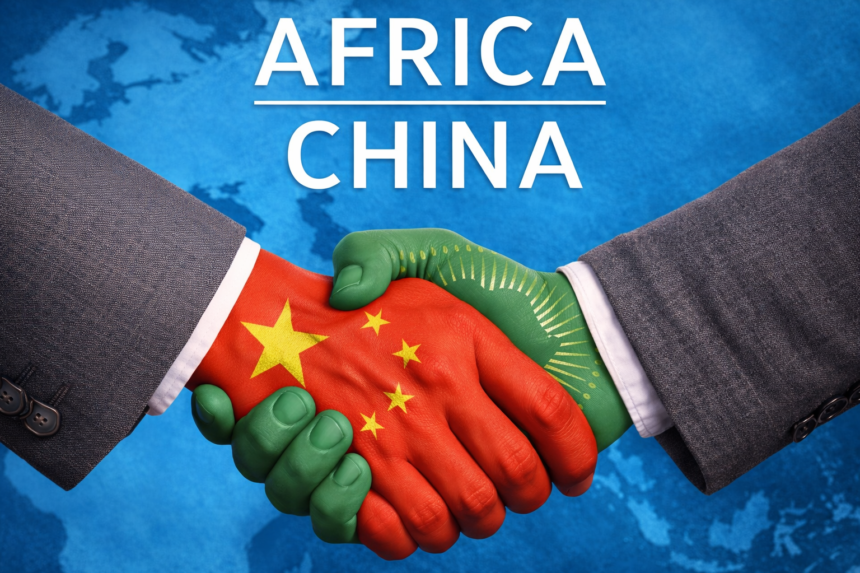
Nigeria’s quest to diversify its economy and expand non-oil exports has received a significant boost as China introduces a landmark zero-tariff policy on all Nigerian exports, set to take effect from May 1, 2026.

The announcement, made in Abuja by Chinese Ambassador Yu Dunhai, marks a pivotal moment in the economic relationship between both nations, whose bilateral trade volume exceeded $28bn in 2025.

“On March 26th, China and Nigeria signed the framework agreement on economic partnership for shared development. So we are now working together to ensure the zero-tariff policy takes effect on May 1st. That means starting from May 1st of this year, all Nigerian products, 100 per cent, will enjoy zero tariff when exported to China,” Dunhai stated.

The policy effectively removes duty barriers for Nigerian goods entering one of the world’s largest consumer markets, creating unprecedented access for exporters across agriculture, manufacturing, and value-added industries.

Describing the development as a strategic milestone, the ambassador added: “I am confident that this will provide a long-term, stable, and predictable institutional safeguard for our cooperation, taking our pragmatic partnership to new heights.”

The zero-tariff arrangement follows the signing of a framework agreement on economic partnership for shared development between both countries on March 26, reinforcing a long-standing relationship that has grown exponentially over the past two decades.

“Over the past 55 years, our economic and trade ties have deepened significantly. In 2025, our bilateral trade volume surpassed $28 billion, nearly 10 times the level in 2005,” Dunhai noted.

For Nigeria, the implications are far-reaching. The policy is expected to unlock new export opportunities, particularly for sectors that have historically struggled with market access due to tariff and regulatory barriers.

It also aligns with the Federal Government’s broader economic strategy to reduce dependence on crude oil by strengthening non-oil exports and promoting industrialisation.

From a structural standpoint, the initiative is poised to stimulate local production, as Nigerian businesses are incentivised to scale operations to meet export demand. Sectors such as agro-processing, light manufacturing, and solid minerals stand to benefit significantly from improved access to the Chinese market.

However, the opportunity also introduces a new layer of competitive pressure. To fully leverage the zero-tariff window, Nigerian producers must meet global quality standards, improve supply chain efficiency, and adopt export-oriented production models.

Beyond bilateral gains, the policy reflects a broader shift in global trade dynamics, particularly within the framework of South-South cooperation. “This initiative aligns with our shared commitment to global development and South-South cooperation. China has always been a practitioner of true multilateralism and maintains a close partnership with UNIDO,” Dunhai stated.

From a BrandiQ analytical lens, the zero-tariff policy is not just a trade agreement – it is a market access revolution. It presents Nigerian brands with a rare opportunity to transition from local relevance to global competitiveness.

The real question, however, is not whether the opportunity exists, but whether Nigerian businesses are structurally prepared to seize it.


You Might Also Like

FirstBank Integrates PAPSS Into Cross-Border Payments App
Universal Insurance Posts 386% Profit on Investment Rebound
BROXO Unveils Brand Refresh to Reinforce Leadership in Water Treatment Salt Market
Nigeria Targets $31.5 Billion Annual SDG Financing Gap Through Global Sustainability Reporting Standards
Sahara Group Advocates Urgent Climate Action at COP30
Share This Article
Facebook Whatsapp Whatsapp LinkedIn Telegram Email Copy Link Print
What do you think?
Love0
Sad0
Happy0
Sleepy0
Angry0
Dead0
Surprise0
Wink0
Previous Article signature card Premium Banking Redefined: Zenith Bank and Visa Target Nigeria’s Global Elite with Signature Card Launch
Next Article energy transition Energy Transition and Strategic Scale: Nigeria Targets 12bcf Daily Gas Output by 2030
Leave a Comment

Leave a Reply Cancel reply

Your email address will not be published. Required fields are marked *

Africa Launches the First Pan-African Pact for Insurance Inclusion
Business & Economy
Wema Bank, EIB Global Sign €50 Million Facility to Boost Women- and Youth-Led Enterprises 
Brand & Marketing
Maltina’s Nourishment Tour: See What Happens Inside  
Brand & Marketing
Why Brands Should Build Agency Partnerships, Not Supplier Lists, says Penquin Executive
Industry News
- Advertisement -

You Might Also Like

Africa Hospitality Investors Council

New Africa Hospitality Investors Council (AHIC) Launches to Mobilize Global Capital into Africa’s Tourism Economy

April 1, 2026
nollywood

Paris-Nollywood Alliance Signals New Era for African Cinema in Global Film Economy

March 23, 2026

UBA Hosts Influencers at Business Series

November 7, 2025
afreximbank

Afreximbank Leads $2.5bn Financing Deal for Dangote Refinery in Landmark Industrial Push

April 1, 2026
piggyvest

Nigeria’s Growth Paradox: Falling Inflation, Rising Financial Stress – PiggyVest Report

March 27, 2026

Eterna Launches N21.5bn Rights Issue

December 5, 2025

Kenya’s $2.1m Agricultural Finance Breakthrough Signals New Era for Africa’s Rural Investment Markets

May 11, 2026
middle east

The Impacts of the Middle East Conflict on Africa

April 9, 2026

Subscribe to BrandiQ Newsletter

Subscribe to our newsletter to get our latest articles instantly! Don't worry, we don't spam.
Brand IQ

BrandiQ is Africa’s leading digital platform for brand strategy, business innovation, marketing insights, and data-backed intelligence shaping African markets.

  • About Us
  • Contact Us
  • Privacy Policy
  • Terms & Conditions

Copyright 2013 – 2026 BrandiQ. All Rights Reserved

Welcome Back!

Sign in to your account

Username or Email Address
Password

Lost your password?