


Appointment Signals Rising Importance of Corporate Governance, Capital Discipline and Strategic Leadership in Nigeria’s Energy Industry
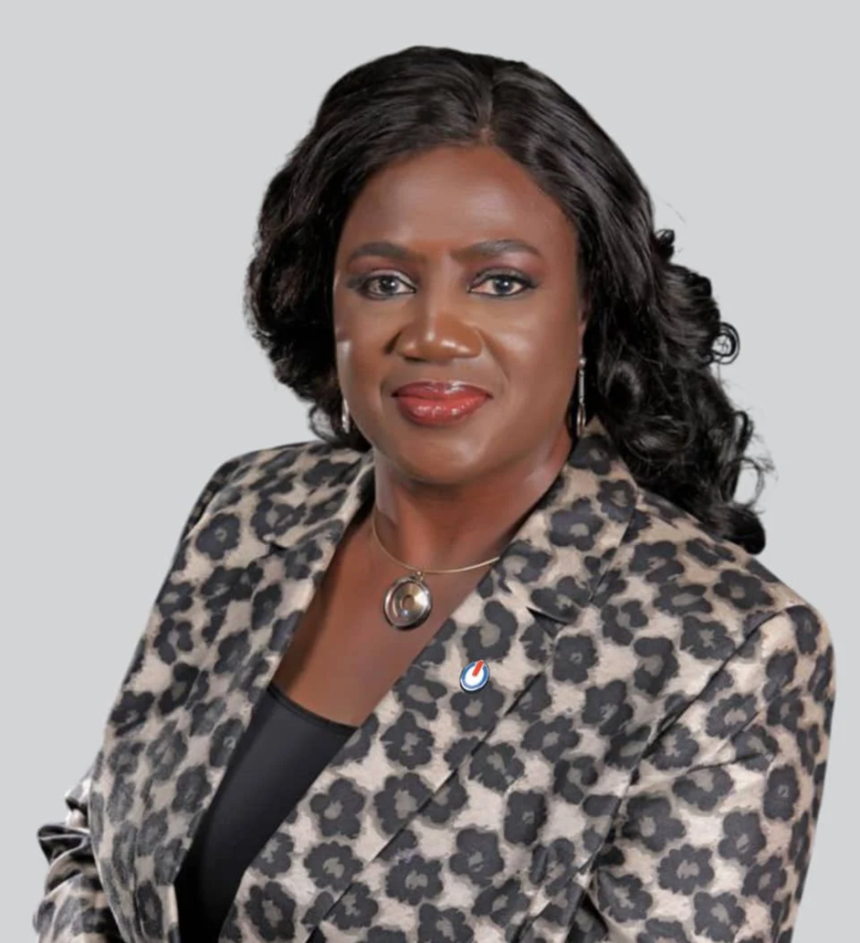
Energia Limited has appointed seasoned energy and finance executive Tai Adetokunbo Oshisanya as an Independent Non-Executive Director, a move that underscores the growing importance of governance, strategic oversight and financial discipline in Nigeria’s evolving oil and gas sector.
The appointment, which took effect in May 2026, comes at a period when indigenous energy companies are under increasing pressure to demonstrate strong corporate governance standards, attract investment capital and position themselves for long-term sustainability amid global energy transition debates.
Oshisanya joins Energia with more than four decades of leadership experience spanning the energy, financial services, pension administration and development sectors across Africa and Europe. Her entry into the boardroom represents a significant addition to the governance architecture of one of Nigeria’s indigenous exploration and production companies.
Throughout her distinguished career, Oshisanya built a reputation as one of the most accomplished finance professionals in the Nigerian energy industry. She made history as the first Nigerian woman to serve as Chief Financial Officer of an international oil and gas company operating in Nigeria during her tenure at TotalEnergies EP Nigeria, where she also served as Executive Director, Finance and Control.
Her professional journey traversed several strategic markets, including Nigeria, France, South Africa and the Netherlands, where she supervised complex financial operations, joint venture partnerships, enterprise transformation programmes and large-scale business performance initiatives.
According to Energia, the appointment aligns with the company’s commitment to strengthening board effectiveness, deepening strategic oversight and creating sustainable value for shareholders and stakeholders.
Chairman of Energia Limited, George Osahon, described the appointment as a strategic milestone for the company.
“We are delighted to welcome Tai Oshisanya to the board of Energia Limited. Her exceptional leadership experience, governance expertise and deep understanding of the energy industry will bring invaluable insight to our board. Her strategic perspective and wealth of experience will support our long-term growth ambitions and commitment to creating sustainable value for all stakeholders,” he said.
Oshisanya currently serves on the boards of several leading institutions in the financial services sector and remains actively involved in corporate governance advocacy, leadership development and initiatives aimed at advancing women’s economic participation.
Speaking on her appointment, Oshisanya expressed confidence in Energia’s growth trajectory and its role within Nigeria’s energy ecosystem.
“Energia has established itself as a respected indigenous operator with a strong commitment to operational excellence, local content development and sustainable growth. I look forward to working with the board and management team to strengthen governance, support strategic execution and contribute to long-term value creation,” she said.
Why This Appointment Matters Beyond Energia
While board appointments are often treated as routine corporate announcements, this development reflects a broader transformation occurring within Nigeria’s energy sector.
The era when oil and gas companies were judged primarily by production volumes is gradually giving way to a more sophisticated framework where investors increasingly evaluate governance quality, board competence, financial transparency, environmental responsibility and risk management capability.
Across global capital markets, institutional investors are paying closer attention to board composition and governance structures before committing capital. Companies that demonstrate strong governance credentials typically enjoy better access to financing, stronger investor confidence and greater resilience during market volatility.
For indigenous Nigerian operators seeking to compete in a more complex and capital-intensive energy environment, attracting board members with global experience is becoming a strategic necessity rather than a symbolic exercise.
The Growing Strategic Value of Finance Leaders in Energy
The appointment also highlights the increasing influence of finance professionals in shaping the future of energy companies.
Energy businesses today face challenges that extend beyond exploration and production. They must navigate currency volatility, capital allocation decisions, sustainability reporting requirements, regulatory compliance obligations and growing investor scrutiny.
As a result, executives with strong financial stewardship backgrounds are becoming critical assets at board level.
Oshisanya’s experience across multiple jurisdictions and industries positions her to contribute not only to financial oversight but also to broader discussions around corporate strategy, investment priorities, risk governance and organisational transformation.
Implications for Nigeria’s Energy Industry
For Nigeria, the appointment reflects the continued maturation of indigenous energy companies following the gradual transfer of assets from international oil majors to local operators.
As local firms assume greater responsibility for strategic oil and gas assets, the quality of corporate leadership and governance will become increasingly important to maintaining investor confidence and operational performance.
The development also reinforces Nigeria’s growing reputation as a source of world-class executive talent capable of competing at international levels.
Furthermore, the appointment sends a positive signal to regulators and financial institutions that indigenous operators are investing in governance systems capable of supporting long-term growth and sustainability.
Implications for Africa’s Corporate Landscape
Across Africa, there is increasing recognition that governance quality is one of the most important determinants of corporate success.
Many African companies continue to face challenges in attracting long-term investment because of concerns around transparency, board effectiveness and institutional accountability.
Appointments such as this demonstrate how African companies can strengthen governance capacity by leveraging experienced professionals with international exposure.
The broader implication is that stronger governance standards could help African firms attract more global investment, improve competitiveness and accelerate industrial growth.
Implications for Global Investors
For international investors monitoring Africa’s energy sector, developments such as this provide evidence that corporate governance practices are becoming more sophisticated within indigenous firms.
As environmental, social and governance considerations continue to influence investment decisions globally, companies that demonstrate strong board leadership and strategic oversight are likely to enjoy a competitive advantage in attracting capital.
The appointment may therefore be viewed not simply as a boardroom change but as part of a larger trend toward professionalisation, institutional strengthening and value creation within Africa’s energy industry.
The BrandiQ Insight
The real significance of Tai Oshisanya’s appointment lies not merely in her impressive résumé but in what it represents. Nigeria’s energy sector is entering a new phase where leadership quality, governance standards and strategic execution will matter as much as reserves and production figures.
In an increasingly competitive and investor-driven global energy market, companies that combine operational excellence with world-class governance structures will be best positioned to attract capital, manage risk and create sustainable value.
Energia’s decision to strengthen its board with one of Nigeria’s most accomplished energy finance professionals suggests that the company understands a critical reality of modern business: in today’s economy, governance is no longer a compliance requirement. It is a competitive advantage.