


How Fintech Innovation Is Transforming Global Money Movement
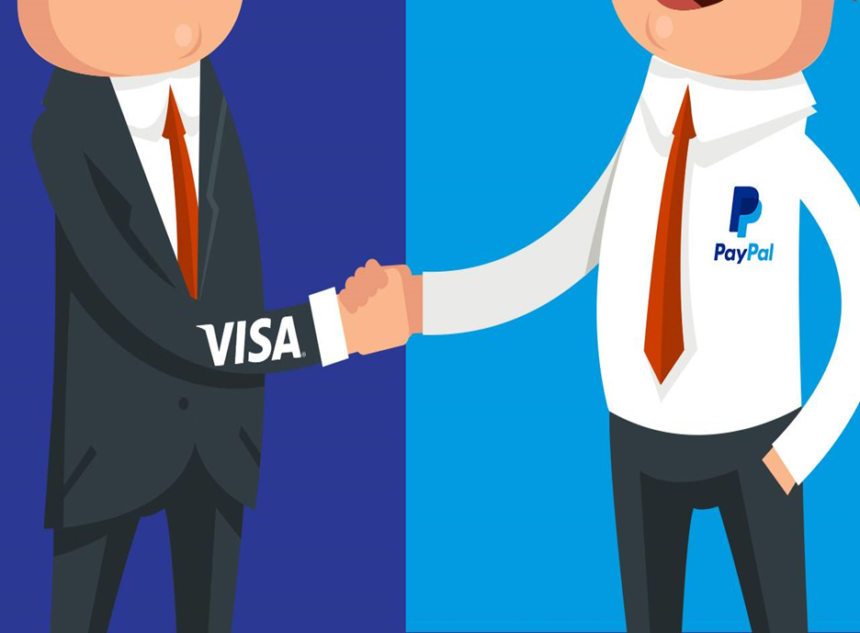
The expansion of PayAngel’s collaboration with Visa represents more than a technology partnership. It reflects the rapid transformation of the global payments ecosystem and highlights how fintech companies are reshaping the way individuals, families, and businesses move money across borders.
By leveraging Currencycloud, a Visa Direct solution, PayAngel is strengthening its multicurrency account infrastructure and international payout capabilities, enabling faster and more efficient cross border transactions across multiple countries and currencies.
While the announcement appears operational on the surface, it speaks to a much larger shift taking place within global finance. The future of economic integration is increasingly being driven not only by banks and financial institutions, but also by digital payment platforms that are reducing friction, lowering costs, and expanding financial access across emerging markets.
For Africa, where remittances, international trade, and diaspora transactions play a critical role in economic activity, such developments carry significant implications.
The Strategic Importance of Cross Border Payments
Cross border payments sit at the heart of globalisation. Every year, trillions of dollars move across international borders through remittances, trade settlements, investments, educational payments, and business transactions. Yet despite advances in digital technology, many cross-border payment systems remain slow, expensive, and fragmented.
Traditional remittance channels have often been criticised for high transaction fees, unfavourable foreign exchange rates, lengthy settlement periods, and limited transparency. These challenges disproportionately affect migrant communities, small businesses, and developing economies where access to efficient financial infrastructure remains uneven.
PayAngel’s expansion reflects a broader industry effort to address these structural inefficiencies through technology driven solutions that make international money movement faster, cheaper, and more transparent.
Why Remittances Matter to Africa’s Economic Development
The significance of this development becomes clearer when viewed through the lens of remittances. Across Africa, remittances have become one of the most important sources of foreign exchange inflows, often exceeding foreign direct investment and development assistance in several countries. Millions of African families depend on funds sent by relatives working abroad to finance education, healthcare, housing, entrepreneurship, and daily living expenses.
For many households, remittances function as a private social safety net. Reducing the cost and complexity of sending money home therefore has direct implications for poverty reduction, financial inclusion, and household welfare. By improving payout efficiency across 22 African countries as well as India and Bangladesh, PayAngel is positioning itself within one of the most important segments of the global financial services industry.
The Rise of Fintech as Financial Infrastructure
One of the most significant trends emerging from the partnership is the evolving role of fintech companies. Historically, banks dominated international money transfers. Today, fintech platforms are increasingly becoming the infrastructure layer connecting consumers, businesses, and financial institutions.
This shift reflects changing customer expectations.
Consumers now demand:
- Faster transactions
- Lower costs
- Real time visibility
- Digital accessibility
- Seamless cross border experiences
Fintech firms have responded by building agile platforms capable of delivering these services more efficiently than many traditional financial institutions. The collaboration between PayAngel and Visa demonstrates how fintech companies are increasingly partnering with established global payment networks rather than competing directly with them.
This model combines innovation with scale, allowing emerging platforms to leverage trusted financial infrastructure while maintaining customer focused service delivery.
Supporting Africa’s Growing Digital Economy
The partnership also aligns with broader trends shaping Africa’s digital transformation. Across the continent, digital payments are becoming a key enabler of economic participation. E-commerce, freelancing, digital services exports, technology startups, and cross border entrepreneurship all depend on efficient payment systems.
As African businesses increasingly engage with global markets, access to reliable international payment infrastructure becomes a competitive necessity. For small and medium sized enterprises in particular, the ability to receive payments, settle invoices, and manage multiple currencies efficiently can significantly influence growth prospects.
The expansion of PayAngel’s business to business payment capabilities therefore supports not only consumer remittances but also the broader digitalisation of commerce across emerging markets.
Visa’s Expanding Role in Financial Connectivity
For Visa, the collaboration reflects its ongoing evolution from a traditional card payments company into a broader financial infrastructure provider. The acquisition and integration of technologies such as Currencycloud demonstrate how major payment networks are positioning themselves to facilitate global money movement across multiple channels.
The future payments ecosystem is increasingly interconnected, blending cards, digital wallets, bank transfers, fintech platforms, and real time payment networks into a unified financial architecture. By partnering with fintech innovators such as PayAngel, Visa strengthens its presence in fast growing markets while expanding the reach of its global payment capabilities.
Financial Inclusion Beyond Banking
An often-overlooked aspect of cross border payments is their role in advancing financial inclusion. Millions of individuals across Africa remain underserved by traditional banking systems, yet many actively participate in digital financial ecosystems through mobile money, fintech applications, and alternative payment platforms.
Improving access to affordable international payments expands economic opportunities for migrants, entrepreneurs, freelancers, and small businesses that depend on global connectivity. In this context, financial inclusion is no longer simply about opening bank accounts. It is increasingly about enabling participation in the global digital economy. Efficient cross border payment infrastructure is becoming a critical component of that inclusion agenda.
Implications for the Global Economy
Globally, the partnership reflects the continued integration of financial technology into international commerce. As migration, remote work, digital trade, and global entrepreneurship continue to expand, demand for seamless money movement will grow significantly.
The companies that succeed in building trusted, scalable, and efficient payment ecosystems are likely to play a central role in the next phase of global economic integration. Cross border payments are no longer merely transactional services. They are becoming strategic enablers of global connectivity, economic participation, and financial empowerment.
The Future of Money Movement
The PayAngel Visa collaboration underscores a broader reality facing the financial services industry. The future of payments will be defined by speed, transparency, interoperability, and trust. Customers increasingly expect money to move as seamlessly across borders as information moves across the internet.
Meeting that expectation requires significant investment in infrastructure, compliance, technology, and partnerships capable of connecting diverse financial ecosystems. The collaboration positions both organisations to participate in this evolving landscape while helping bridge the gap between global financial networks and the everyday needs of individuals and businesses.
BrandiQ Takeaway
The PayAngel and Visa partnership highlights how digital payment infrastructure is becoming a critical driver of economic inclusion, trade, and global connectivity. As remittances, digital commerce, and cross border entrepreneurship expand, the ability to move money quickly, securely, and affordably is emerging as a strategic economic advantage. For Africa, efficient payment systems are not merely financial tools; they are foundational infrastructure for growth, diaspora engagement, and participation in the global digital economy.