

By using this site, you agree to the Privacy Policy and Terms of Use.
Accept
BrandiQBrandiQBrandiQ
  • Brand & Marketing
  • Industry News
  • Market Intelligence
  • Business & Economy
  • Technology & Digital
Reading: NISO’s Grid Losses and the Hidden Cost of Nigeria’s Electricity Inefficiency
Share
0

No products in the cart.

Notification Show More
Font ResizerAa
BrandiQBrandiQ
0
Font ResizerAa
  • Brand & Marketing
  • Industry News
  • Market Intelligence
Have an existing account? Sign In
Follow US
© 2026 Brand IQ. All Rights Reserved.
Business & Economy

NISO’s Grid Losses and the Hidden Cost of Nigeria’s Electricity Inefficiency

BrandiQ Analyst
Last updated: April 10, 2026 1:52 pm
BrandiQ Analyst
April 10, 2026
Share
2 Min Read
NISO
SHARE

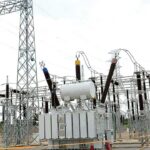
Nigeria’s electricity sector is leaking billions of naira each month—not from fuel costs or generation shortages, but from inefficiencies in transmission.

The Nigerian Independent System Operator has disclosed that the country loses between N5 billion and N8 billion monthly due to transmission inefficiencies, highlighting the scale of structural losses in the national grid.

- Advertisement -

The cost of inefficiency

At inception, system losses were estimated at nearly 10 per cent, a level that significantly undermined both revenue collection and grid stability.

Through recent reforms, the operator says losses have been reduced to approximately 7.05 per cent, with a medium-term target of 5–6 per cent.

- Advertisement -

Even at reduced levels, the financial leakage remains substantial, reflecting the systemic fragility of Nigeria’s electricity infrastructure.

Digitising the national grid

To address these inefficiencies, NISO is deploying a series of technology-driven reforms:

  • SCADA/Energy Management Systems for real-time monitoring
  • IoT-enabled metering across transmission and distribution nodes
  • Telemetry systems for grid visibility
  • Automated market settlement systems

The long-term goal is to transition from manual grid management to real-time, data-driven electricity operations.

- Advertisement -

From instability to regional integration

Beyond domestic reforms, Nigeria has also achieved trial synchronisation with the West African Power Pool, opening the possibility of cross-border electricity trade.

This development could eventually allow Nigeria to:

- Advertisement -
  • export surplus electricity
  • earn foreign exchange
  • stabilise domestic grid fluctuations through regional balancing

Structural constraints remain

Despite technological progress, the sector remains constrained by:

  • gas supply shortages
  • transmission bottlenecks
  • ageing infrastructure
  • enforcement gaps in compliance

BrandiQ takeaway

  • Nigeria’s electricity inefficiency is now a data and systems problem, not only generation capacity problem
  • Digital grid management is becoming central to energy reform strategy
  • Regional power integration may emerge as a new revenue and stability channel

You Might Also Like

Nigeria Unlocks $6m+ Contracts to Accelerate Broadband Expansion
Nigeria’s Growth Paradox: Falling Inflation, Rising Financial Stress – PiggyVest Report
Wema Bank Reinforces Brand Equity With Teacher Rewards
MAN Says High Lending Rates Crippling Production
NITEL–MTEL Pensioners Protest Unpaid Arrears, Demand Justice
Share This Article
Facebook Whatsapp Whatsapp LinkedIn Telegram Email Copy Link Print
What do you think?
Love0
Sad0
Happy0
Sleepy0
Angry0
Dead0
Surprise0
Wink0
Previous Article energy forum Nigeria’s Oil Revival in Focus as Petroleum Minister Lokpobiri Joins Paris Energy Forum
Next Article ELECTRICITY Nigeria’s N4tn Power Sector Bailout and the World Bank Warning: When Fixing Electricity Becomes Fiscal Risk
Leave a Comment

Leave a Reply Cancel reply

Your email address will not be published. Required fields are marked *

“Nigeria Cannot Borrow Its Way to Development” – Oyedele
Business & Economy
How Nando’s Hot Young Designer 2026 Competition is Shaping African Creativity for Global Markets
Technology & Digital
Wema Bank Expands Digital Banking Push with N170m Rewards
Technology & Digital
What Does Demographica’s Elevation of Marloe Wise as MD Mean to the Future of B2B Marketing in Africa?
Industry News
- Advertisement -

You Might Also Like

coca-cola foundation

Coca-Cola Foundation & TechnoServe: Recycling as Brand Purpose and Economic Strategy

March 27, 2026

FirstBank Integrates PAPSS Into Cross-Border Payments App

October 27, 2025

Polaris Bank wins MSME Digital Bank Award

November 13, 2025
Construction site and urban infrastructure development at the Mbanza Congo Centrality housing project in Angola.

Integrated Urban Development, Housing Economics and Africa’s Next Infrastructure Frontier: Mitrelli’s Angola Bet in Context

May 6, 2026

TotalEnergies Eager to Develop Oil Assets Says Deputy MD

November 13, 2025
Tetracore

Huawei, Tetracore Advance Nigeria’s Energy-to-Digital Infrastructure with $400m Data Centre

March 26, 2026
A fully furnished house

70% Nigeria’s Untitled Properties Trap $300bn Real Estate Wealth

May 12, 2026
Hisell

HiSell Unveils Platform to Simplify Sales for SMEs

December 17, 2025
- Advertisement -
Facebook Twitter Youtube

Subscribe to BrandiQ Newsletter

Subscribe to our newsletter to get our latest articles instantly! Don't worry, we don't spam.
Brand IQ

BrandiQ is Africa’s leading digital platform for brand strategy, business innovation, marketing insights, and data-backed intelligence shaping African markets.

  • News
  • Business Insight
  • About Us
  • Contact Us
  • Privacy Policy
  • Terms & Conditions

Copyright 2013 – 2026 BrandiQ. All Rights Reserved

Welcome Back!

Sign in to your account

Username or Email Address
Password

Lost your password?