


Streaming giant adjusts pricing across music and bundled services as rising content costs reshape the battle for digital consumers
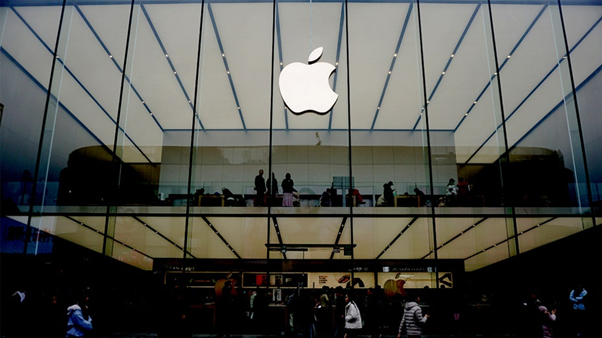
Apple has increased subscription prices for Apple Music and selected Apple One bundles across the United States and several international markets, citing rising music licensing costs in a move that underscores the mounting economic pressures confronting the global streaming industry. The latest adjustments affect millions of subscribers and reinforce a broader trend in which digital platforms are passing higher content and technology costs on to consumers.
The revised pricing sees the Apple Music Individual subscription increase by US$1 to US$11.99 per month, while the Student plan rises to US$6.99. The Family plan records the largest increase, climbing by US$3 to US$19.99 per month. Apple has also adjusted prices for two tiers of its Apple One subscription bundle. The Family package now costs US$27.95 per month, while the premium tier increases to US$39.95. The Individual Apple One subscription remains unchanged at US$19.95 monthly.
Unlike previous pricing announcements, Apple made the changes quietly by updating subscription rates on its website without staging a formal product launch or corporate event. Responding to media enquiries, however, the company confirmed that the increases were driven by “rising licensing costs,” indicating that the higher fees paid to music rights holders had made previous pricing increasingly difficult to sustain.
The adjustments represent Apple Music’s first price increase since 2022 and come at a time when virtually every major streaming platform is reassessing its pricing strategy amid escalating operating costs. Music licensing fees continue to rise as record labels and artists negotiate improved royalty arrangements, while streaming companies are simultaneously investing heavily in artificial intelligence, cloud infrastructure and premium content to retain subscribers.
The latest subscription increases also follow Apple’s recent decision to raise prices for several hardware products, including selected MacBook and iPad models, reflecting wider cost pressures affecting semiconductor components and advanced memory technologies. Together, the moves illustrate how inflation in technology supply chains and digital content is influencing pricing across Apple’s expanding ecosystem of products and services.
Apple’s services business has become one of the company’s most important growth engines as smartphone sales mature globally. Subscription revenues generated through Apple Music, Apple TV, iCloud, Arcade, Fitness+, News+ and AppleCare now contribute significantly to recurring income, reducing Apple’s historical dependence on hardware sales alone.
The BrandiQ Perspective
This is not merely a story about higher subscription fees. It is a story about the changing economics of digital business. For nearly two decades, technology companies conditioned consumers to expect ever-expanding digital services at relatively stable prices. Investors rewarded subscriber growth above almost every other performance metric, encouraging streaming companies to prioritise market share over profitability.
That era is gradually ending. Today’s streaming economy is entering a new phase where sustainable profitability is becoming more important than rapid customer acquisition. As licensing fees, cloud infrastructure expenses, cybersecurity investments and AI development costs continue rising, digital platforms are increasingly asking consumers to bear a larger share of those costs.
Apple’s decision reflects this structural transition. Unlike many competitors, Apple does not rely solely on streaming revenues. Its subscription ecosystem serves a broader strategic purpose: strengthening customer loyalty, increasing lifetime customer value and deepening integration across its hardware and software ecosystem.
This gives Apple greater flexibility in pricing than many standalone streaming businesses. Consumers who subscribe to Apple Music are often simultaneously using iPhones, AirPods, Apple Watches, Macs, iPads and iCloud services. Each additional subscription strengthens switching costs, making customers less likely to migrate to competing platforms.
The price increase therefore illustrates another important principle in modern branding. Strong ecosystems possess pricing power. Brands that successfully integrate products, services and customer experiences can often increase prices without triggering significant customer defection because consumers perceive greater overall value than the price increase itself.
What It Means for African Digital Businesses
African subscription businesses should study Apple’s strategy carefully. Across fintech, entertainment, education, health technology and digital media, many African startups continue competing primarily on low pricing.
That strategy becomes increasingly difficult as businesses mature. Long-term sustainability depends not simply on attracting users but on building enough value that customers remain willing to pay when costs inevitably rise.
Apple’s experience also highlights the importance of diversified revenue models. Companies overly dependent on one source of income become vulnerable when costs increase. Businesses with integrated ecosystems, recurring subscriptions and multiple customer touchpoints are generally better positioned to absorb economic shocks.
BrandiQ Analysis: Five Strategic Lessons
1. The subscription economy is entering a maturity phase
Streaming companies are increasingly shifting attention from subscriber growth to sustainable profitability. Price increases are becoming part of the industry’s long-term economic model.
2. Content has become the new cost centre
As artists, publishers and content owners demand higher licensing fees, streaming platforms must continually balance consumer affordability with fair compensation for creators.
3. Ecosystems create pricing power
Apple demonstrates how integrated digital ecosystems strengthen customer loyalty. When multiple services operate together, consumers are less likely to cancel because leaving one service often affects the broader user experience.
4. Brand trust supports premium pricing
Consumers generally tolerate moderate price increases from brands they trust. Apple’s ability to adjust prices reflects years of investment in product quality, customer experience and brand equity.
5. African digital businesses must prepare for similar realities
Whether in streaming, fintech, digital education or software services, African companies will eventually confront the same challenge: balancing growth with profitability. Building sustainable business models from the outset will become increasingly important as investor expectations evolve.
BrandiQ Verdict
Apple’s latest subscription price increases reveal more than rising licensing costs. They signal the arrival of a new economic reality for the global digital services industry – one in which premium content, artificial intelligence, cloud infrastructure and ecosystem integration carry increasing financial weight. For brands everywhere, including Africa’s emerging digital champions, the lesson is clear: long-term success will depend not merely on acquiring customers, but on creating sufficient value to justify continued loyalty when the price of innovation inevitably rises.