

AfDB Says Better Governance, Digital Tax Systems and Public Trust Could Unlock Massive Domestic Revenue
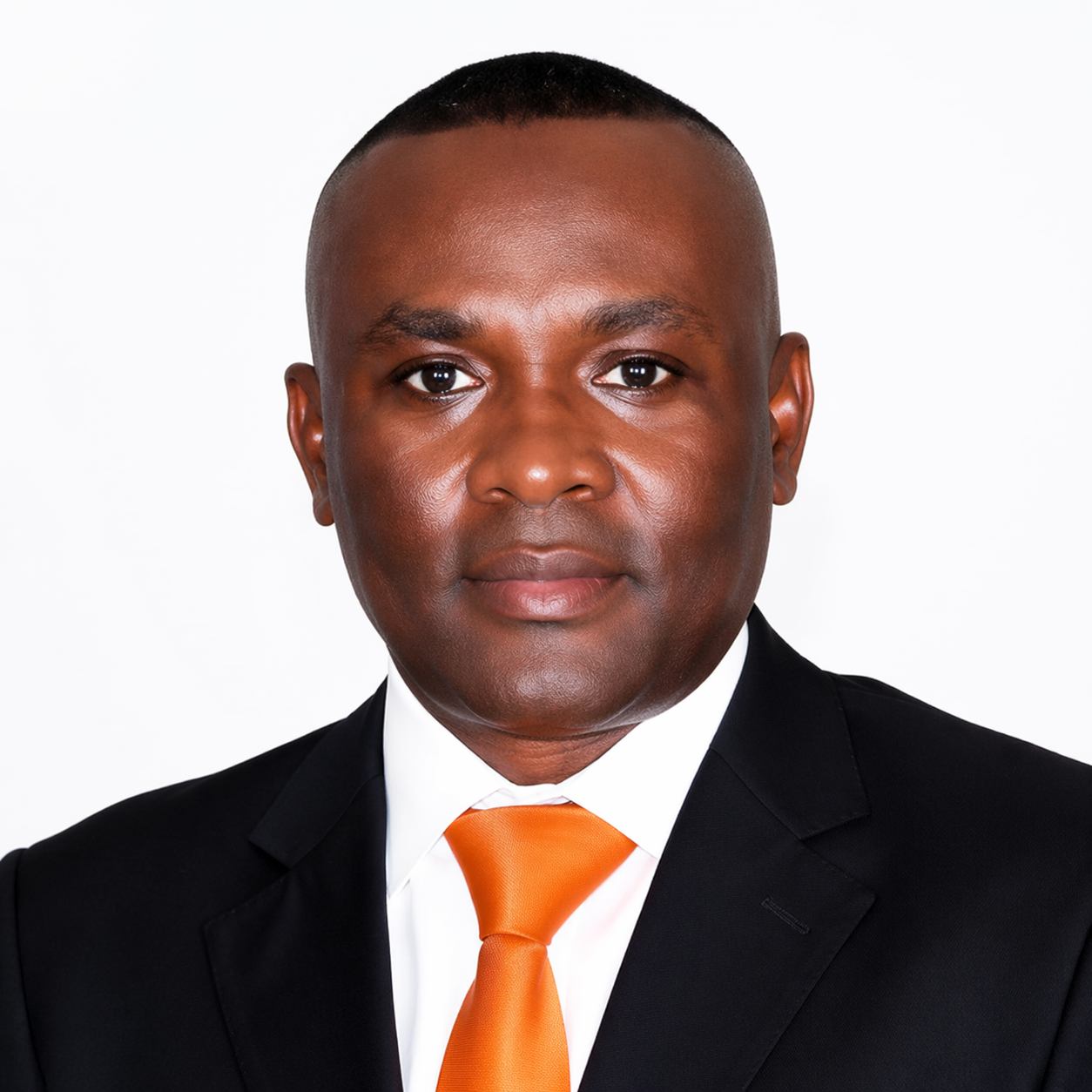
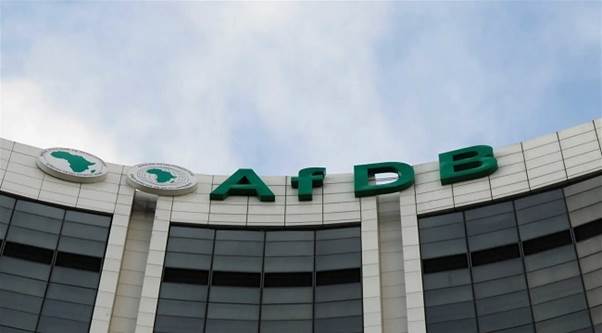
Africa may be sitting on one of the largest untapped sources of development finance in the world. According to the African Development Bank (AfDB), the continent could mobilise more than $469 billion in additional annual revenue without increasing tax rates. The claim, made by the Bank’s Chief Economist and Vice President for Economic Governance and Knowledge Management, Professor Kevin Urama, challenges one of the most enduring assumptions in African economic policy: that governments must either raise taxes or borrow heavily to finance development.
Speaking in an interview with the News Agency of Nigeria in Abuja, Urama argued that the solution lies not in imposing new tax burdens on citizens and businesses, but in improving tax administration, strengthening public institutions, digitising revenue collection systems and rebuilding trust between governments and citizens.
His comments come at a critical moment for African economies. Across the continent, governments are grappling with rising debt levels, growing infrastructure deficits, climate financing challenges and increasing demands for social services. At the same time, many African countries face limited fiscal space, forcing policymakers to search for new and sustainable sources of development funding.
The AfDB’s position suggests that the answer may already exist within African economies themselves.
The Hidden Wealth Inside African Economies
For decades, development financing discussions in Africa have largely revolved around foreign aid, concessional loans, foreign direct investment and sovereign borrowing.Yet economists have increasingly argued that Africa’s greatest financial resource may be domestic revenue that is currently lost through inefficiency, weak administration, informality, tax evasion and poor compliance systems.
Professor Urama’s estimate of $469 billion highlights the scale of this opportunity. The figure exceeds the annual GDP of many African countries combined and would significantly alter the continent’s development trajectory if successfully mobilised.
The implication is clear. Africa’s financing challenge may be less about the absence of resources and more about the inability to efficiently capture and manage existing economic activity. In many countries, large segments of the economy remain outside formal tax systems. Informal businesses, fragmented databases, weak property registration systems, limited digital infrastructure and inefficient collection mechanisms continue to reduce government revenue. The AfDB believes these leakages can be addressed through modernisation rather than higher taxation.
Why Tax Rates Are Not the Real Problem
One of the most important insights from the AfDB’s position is that raising tax rates does not necessarily increase government revenue. In fact, excessively high tax burdens can sometimes produce the opposite effect by encouraging tax avoidance, reducing investment and pushing businesses further into informality.
The challenge in many African countries is not low tax rates but narrow tax bases. Millions of economic actors remain outside formal systems. Property taxes are often under-collected. Digital transactions frequently escape effective monitoring. Small and medium-sized enterprises operate with limited integration into formal revenue structures.
Digitalisation offers a pathway to address these gaps. Countries that have modernised tax administration systems have often recorded substantial improvements in revenue collection without increasing statutory tax rates. The lesson is that efficiency frequently generates better outcomes than additional taxation.
The Governance Challenge Behind Tax Compliance
Perhaps the most politically significant aspect of Urama’s argument relates to public trust. According to the AfDB economist, many citizens resist taxation because governments often fail to provide basic public services.
This observation goes to the heart of Africa’s governance challenge. In many countries, citizens pay taxes while simultaneously funding their own electricity, water supply, healthcare, education and security arrangements. Businesses often invest heavily in generators, private security, boreholes and alternative infrastructure simply to remain operational. Under such circumstances, taxation can appear less like a social contract and more like an additional cost of survival.
The AfDB’s argument suggests that improving public services may be one of the most effective tax collection strategies available to governments. When citizens perceive tangible value from public spending, voluntary compliance generally increases.
The relationship between taxation and governance is therefore reciprocal. Governments need taxes to provide services, but they also need quality services to encourage tax compliance.
What This Means for Nigeria
The AfDB’s recommendation carries particular significance for Nigeria. As Africa’s largest economy, Nigeria continues to struggle with one of the lowest tax-to-GDP ratios among major emerging economies. Successive administrations have sought to expand revenue generation while balancing concerns about economic competitiveness and social welfare.
Recent tax reform initiatives under the Tinubu administration have focused on broadening the tax base, simplifying compliance procedures and improving efficiency rather than aggressively increasing tax rates.
The AfDB’s position provides strong intellectual support for this approach. For Nigeria, the path to higher revenue may depend less on imposing additional burdens on existing taxpayers and more on integrating informal economic activity, improving digital tax administration and enhancing government accountability. If successfully implemented, such reforms could strengthen fiscal sustainability while supporting economic growth.
Why African Businesses Should Pay Attention
For African businesses, the AfDB’s findings present both opportunities and responsibilities. On one hand, improved tax administration can reduce distortions created by uneven compliance. Many businesses operating within formal systems often complain that competitors in the informal sector enjoy unfair advantages by avoiding taxes and regulatory obligations.
A more efficient and inclusive revenue system creates a more level competitive environment. On the other hand, greater digitisation and data integration will likely increase scrutiny of business activities. Companies that have historically operated outside formal structures may face greater pressure to comply with tax obligations.
Ultimately, however, stronger revenue systems can contribute to better infrastructure, improved public services and a more stable operating environment. These outcomes benefit businesses over the long term.
The Implications for International Investors
Investors in the United Kingdom, United States and Europe are increasingly focused on fiscal sustainability when evaluating emerging markets. Countries heavily dependent on borrowing often face concerns regarding debt sustainability, currency volatility and macroeconomic instability.
The ability to mobilise domestic revenue is therefore viewed as a key indicator of economic resilience. The AfDB’s proposal offers a potentially attractive alternative to debt-dependent development. If African governments can successfully increase domestic revenue without raising tax rates, they may reduce borrowing needs while strengthening fiscal stability.
This would improve sovereign credit profiles, enhance investor confidence and potentially lower financing costs. For international investors seeking long-term opportunities in Africa, stronger domestic revenue systems represent an important signal of institutional maturity.
Africa’s Economic Sovereignty Moment
Beyond revenue generation, the AfDB’s argument speaks to a broader issue: economic sovereignty. For decades, African development has been shaped by external financing flows, donor priorities and international lending conditions.
While foreign investment and development assistance remain important, excessive dependence on external funding can constrain policy flexibility. Domestic resource mobilisation offers a different model. Countries that finance development primarily through their own resources generally enjoy greater autonomy in setting economic priorities.
The AfDB’s vision therefore aligns with a growing movement across Africa aimed at strengthening self-reliance, institutional capacity and economic resilience.
The BrandiQ Perspective
The African Development Bank’s $469 billion estimate should not be viewed merely as a tax story. It is fundamentally a governance story. It is a development story. It is an investment story. Most importantly, it is a story about the future of African state capacity.
The challenge facing African governments is not simply how to collect more revenue. It is how to build institutions that citizens trust, services that people value and systems that encourage voluntary participation in the formal economy.
The continent’s development financing gap is often presented as a resource problem. The AfDB is suggesting something different. The problem may not be the absence of money. The problem may be the absence of systems capable of efficiently mobilising it.
If Africa can successfully unlock even a portion of the estimated $469 billion in additional annual revenue, the implications would be transformative. Infrastructure deficits could narrow. Public services could improve. Debt dependence could decline. Economic resilience could strengthen.
In an era of rising global uncertainty, the most important development resource available to Africa may not come from foreign lenders, donor agencies or international capital markets. It may already exist within Africa itself.