

Technology company responds to Federal Government’s competition probe, pledges cooperation with regulators as scrutiny of digital platforms and AI practices deepens
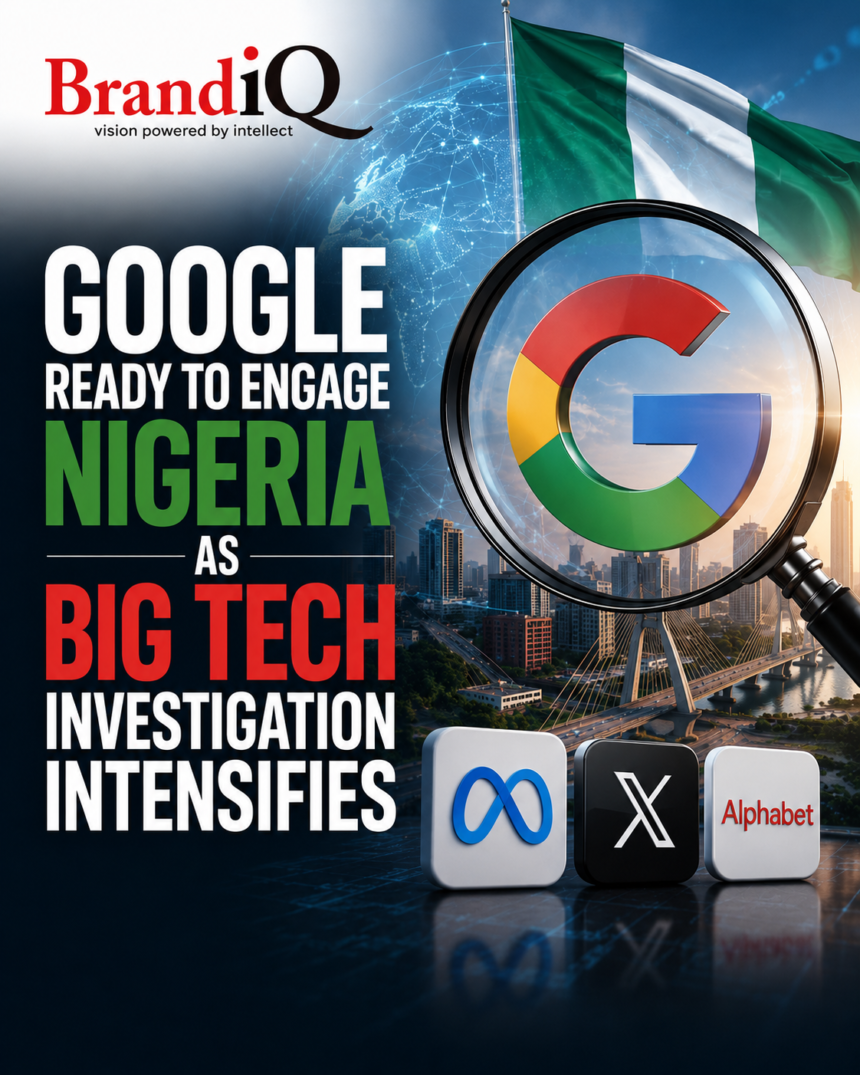
Google has indicated its readiness to engage with Nigerian regulators following the Federal Government’s decision to investigate the operations of major global technology companies over allegations relating to competition practices, digital content usage and the growing influence of artificial intelligence platforms.
According to The PUNCH, a Google spokesperson said the company remains committed to supporting Nigeria’s digital economy and would cooperate with the ongoing investigation being conducted by the Federal Competition and Consumer Protection Commission (FCCPC).
“We remain committed to Nigeria and the success of its news and creative ecosystem. We will engage constructively with the FCCPC to support the process and demonstrate the value our products and partnerships bring to Nigerian users, publishers and businesses,” the spokesperson said.
Google’s response follows the Federal Government’s decision to examine the activities of major technology companies operating in Nigeria after complaints submitted by the Nigerian Press Organisation (NPO), an umbrella body representing newspaper proprietors, journalists, broadcasters and online publishers.
The complaints centre on allegations that the business practices of major digital platforms -including Google’s parent company Alphabet, Meta and X – could be undermining competition within Nigeria’s media industry through the unauthorised use of journalistic content, digital distribution models and the development of artificial intelligence systems.
The FCCPC said the investigation will assess whether the activities of these companies violate Nigeria’s competition laws or create unfair market outcomes within the country’s digital economy. According to reports, the inquiry will also examine allegations relating to the unauthorised extraction, ingestion and commercial use of copyrighted journalistic content in the training and development of artificial intelligence models.
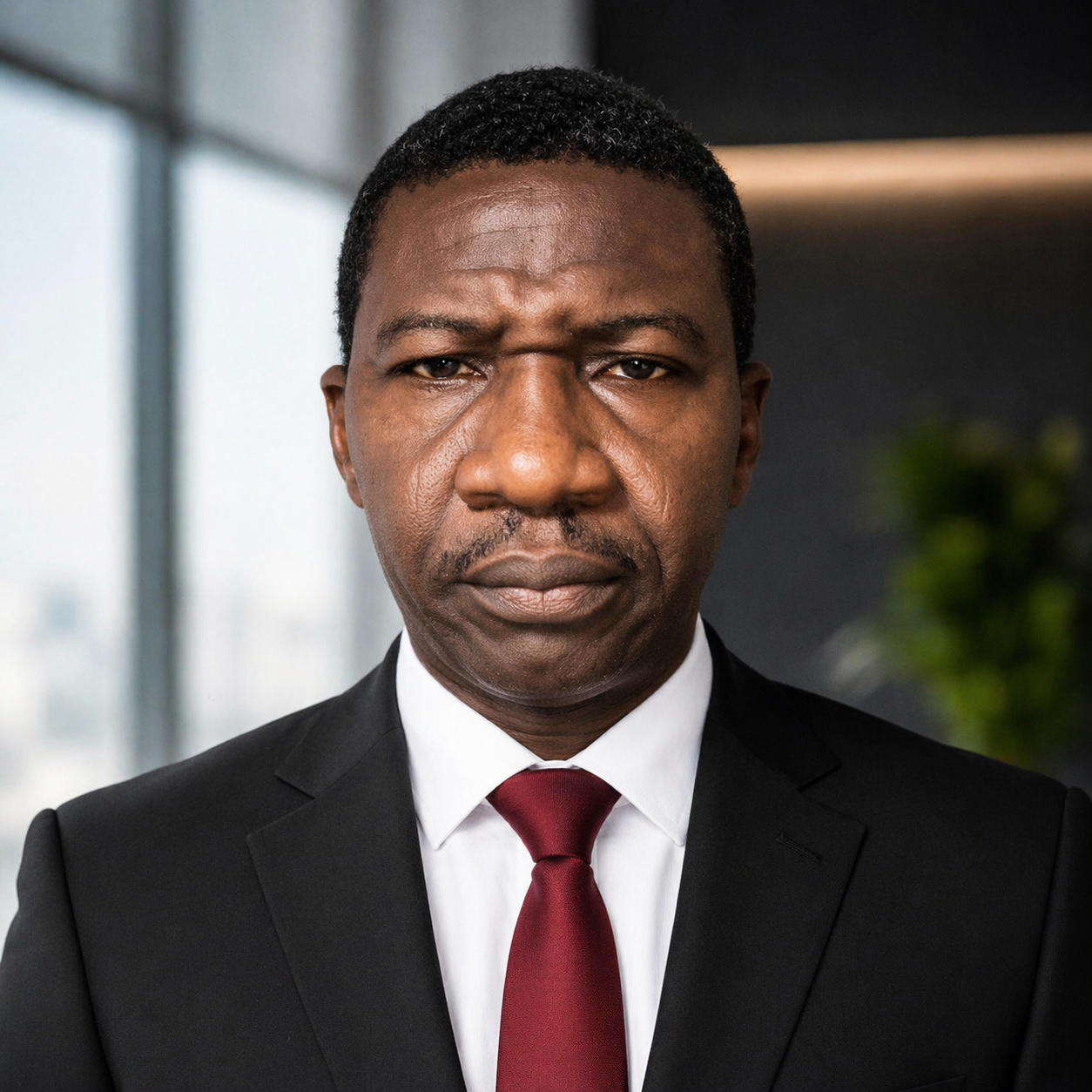
Chief Executive Officer of the FCCPC, Tunji Bello, has stated that the investigation will be conducted independently and transparently, emphasising that the inquiry should not be interpreted as a presumption of wrongdoing.
The commission also assured all affected organisations that they would be given the opportunity to present relevant evidence before any regulatory conclusions are reached. Google’s response represents the first major public reaction from one of the technology companies named in the investigation and signals a preference for regulatory engagement rather than confrontation.
The development comes against the backdrop of growing international debate over the relationship between global technology platforms, news publishers and creators of original content.
Several jurisdictions around the world have introduced legal and regulatory frameworks requiring technology companies to negotiate commercial arrangements with media organisations whose content contributes to online search services, digital advertising ecosystems and artificial intelligence applications.
BrandiQ Analysis
Nigeria’s Big Tech investigation could become a defining regulatory test. Google’s response marks the beginning of what could become one of Nigeria’s most significant digital economy policy debates.
At the centre of the discussion is a fundamental question: How should value created in the digital economy be shared between global technology platforms and local content creators? For years, technology companies have argued that their platforms generate traffic, visibility and commercial opportunities for publishers.
Media organisations, however, increasingly contend that technology platforms derive substantial commercial value from professionally produced journalism without providing proportionate economic returns. Nigeria is now entering that global policy conversation.
The Debate Extends Beyond Competition
Although the FCCPC’s inquiry is framed as a competition investigation, its implications extend much further. The issues under examination – including content scraping, artificial intelligence training, copyright protection, market dominance and digital advertising – sit at the intersection of competition law, intellectual property, technology policy and media sustainability.
As artificial intelligence becomes increasingly dependent on large volumes of digital content, questions surrounding the ownership, licensing and commercial use of journalistic material are becoming more prominent across many jurisdictions.
A Test for Nigeria’s Digital Sovereignty
The investigation also reflects Nigeria’s growing willingness to assert regulatory oversight over multinational technology companies operating within its digital economy. As Africa’s largest internet market, Nigeria occupies an increasingly important position in global technology policy.
How the country approaches issues such as competition, platform accountability, data governance and AI regulation may influence policy development across other African markets. For regulators, the challenge will be balancing innovation with fair competition.
For technology companies, the challenge will be demonstrating that their business models contribute meaningfully to local economic development while respecting national laws and the rights of domestic content creators.
Dialogue May Produce Better Outcomes Than Litigation
Google’s decision to publicly express its willingness to engage with Nigerian regulators is strategically significant. Constructive engagement creates opportunities for collaborative policy solutions that protect innovation while addressing legitimate concerns raised by publishers, creators and competition authorities.
Several countries have already adopted negotiated frameworks under which technology companies compensate eligible news organisations for the use of journalistic content. Whether Nigeria ultimately adopts a similar approach remains to be seen, but dialogue is likely to provide a more sustainable outcome than prolonged legal confrontation.
The Bigger Picture
The FCCPC’s investigation represents more than a dispute between regulators and technology companies. It reflects the broader transformation of the global digital economy, where questions of competition, copyright, artificial intelligence and platform accountability are becoming central public policy issues.
For Nigeria, the outcome could shape the future relationship between global technology platforms, domestic media organisations, content creators and consumers. Ultimately, the investigation is not simply about regulating Big Tech. It is about defining the rules that will govern digital competition, content value and technological innovation in one of Africa’s largest and fastest-growing digital markets.