

By using this site, you agree to the Privacy Policy and Terms of Use.
Accept
BrandiQBrandiQBrandiQ
  • Brand & Marketing
  • Industry News
  • Market Intelligence
  • Business & Economy
  • Technology & Digital
Reading: InDrive Bets on Driver Economics as Competition Intensifies in Nigeria’s Ride-Hailing Market
Share
0

No products in the cart.

Notification Show More
Font ResizerAa
BrandiQBrandiQ
0
Font ResizerAa
Search
  • Brand & Marketing
  • Industry News
  • Market Intelligence
Have an existing account? Sign In
Follow US
© 2026 Brand IQ. All Rights Reserved.
Business & Economy

InDrive Bets on Driver Economics as Competition Intensifies in Nigeria’s Ride-Hailing Market

Martin Ogumah
Last updated: October 15, 2026 10:18 am
Martin Ogumah
October 15, 2026
Share
4 Min Read
SHARE

Nigeria’s ride-hailing market is once again drawing attention to a fundamental question facing digital platforms: how much of the value generated by a transaction should go to the platform, and how much should remain with the person delivering the service?

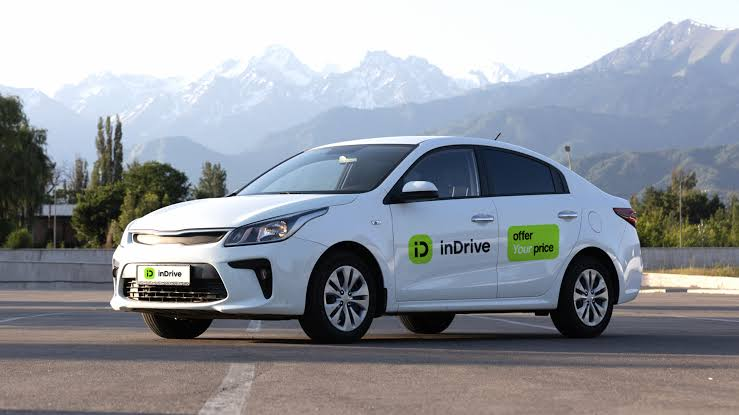
InDrive is emphasising low commissions, higher-earning opportunities and driver welfare as central elements of its strategy in Nigeria. According to a report published by Business a.m. the company is seeking to strengthen its position through a proposition that combines its approach to service fees with initiatives covering healthcare, insurance and driver safety.

The approach comes amid continuing pressure on drivers and operators to reconcile passenger affordability with the economics of providing transport services. Drivers face expenses that can include fuel, vehicle maintenance, insurance and financing, while operators must sustain the technology infrastructure, customer support and safety systems on which the service depends.

InDrive says its reduced service fee allows drivers to retain a greater proportion of the fares they earn. The company also presents welfare partnerships as a way of addressing some of the risks and costs associated with working on a ride-hailing platform. However, its claim that it charges the lowest commission in the industry was not accompanied by comparative data in the report. The precise commission rate was also not disclosed. The claim should therefore be understood as the company’s positioning rather than an independently established industry ranking.

Why the business model matters
Ride-hailing platforms operate in a two-sided market. They need enough drivers to provide reliable service and enough passengers to make driving economically worthwhile. If drivers believe that fees and operating costs leave them with inadequate earnings, they may reduce their working hours or move to competing platforms. If passenger fares become too expensive, demand may weaken.

The challenge is that a lower commission does not automatically guarantee a better outcome. The effect depends on trip volumes, fare levels, incentives, operating costs and the consistency of demand. A driver retaining a larger percentage of a fare may still earn less overall if the number of completed trips falls.

Welfare initiatives could provide a further source of differentiation, particularly if they deliver practical benefits that drivers value. Healthcare access, insurance arrangements and safety support may help build loyalty, but their commercial value will depend on how accessible and effective the programmes are.

For Nigerian businesses more broadly, the story illustrates the importance of understanding the people on whom a digital business depends. Platforms are often described as technology companies, but their operating models are also built around workers, suppliers and service partners.

BrandiQ Takeaway: In a platform business, the people delivering the service are part of the product. Low commissions may attract drivers, but sustainable competitive advantage depends on whether the platform can improve driver economics while maintaining passenger value and service reliability


You Might Also Like

Binatone Marks Anniversary with Nationwide 10% Discount Campaign
Paris-Nollywood Alliance Signals New Era for African Cinema in Global Film Economy
Afreximbank Tops 2025 Bloomberg Africa Borrower Loans League Tables
Afreximbank Leads $2.5bn Financing Deal for Dangote Refinery in Landmark Industrial Push
First Bank Powers First Powerboat Racing Championship
Share This Article
Facebook Whatsapp Whatsapp LinkedIn Telegram Email Copy Link Print
What do you think?
Love0
Sad0
Happy0
Sleepy0
Angry0
Dead0
Surprise0
Wink0
ByMartin Ogumah
Martin Ogumah, is BrandiQ Head of Content Assets and Marketing. He is a graduate of sociology, with a master’s degree in political science, and over 15 years’ experience in content development, marketing and public relations.
Previous Article CashAfrica and Chicken Republic: Can Tap-to-Pay Change How Nigerians Pay for Fast Food?
Next Article LSEG and Nvidia Move to Accelerate Financial Analysis from Trillions of Market Data Records
Leave a Comment

Leave a Reply Cancel reply

Your email address will not be published. Required fields are marked *

MSS Marks 20 Years with New Brand Identity and Plans for African Expansion
Brand & Marketing
Nigeria’s Data Protection Commission Warns Influencers and Technology Companies Over AI Misuse
Technology & Digital
Nigerian Brands and Creators Push Beyond Sponsored Posts Towards Long-Term Content Partnerships
Brand & Marketing
Rite Foods Launches LIDA Malt as Nigerian Beverage Competition Intensifies
Brand & Marketing
Advertise

You Might Also Like

All On Invests $250,000 in ICE Solar Expansion

November 19, 2025

World Bank Empowers West Africa’s Power Revolution

June 4, 2026
south africa energy

Nigeria, South Africa Energy Partnership: Why Africa’s Two Largest Economies Are Deepening Energy Ties for Trade, Security and Growth

April 27, 2026

World Bank Approves $1.25bn Nigeria Reform Loan, Despite Growing Public Backlash

July 2, 2026

OpenAI Fires Back at Apple as Trade Secrets Battle Exposes the New AI Talent War

August 7, 2026
digital commerce

The State of Digital Commerce in Africa (2026 Edition): Data, Trends & Growth Forecasts

March 1, 2026
Sustainable Development Goals

Nigeria Targets $31.5 Billion Annual SDG Financing Gap Through Global Sustainability Reporting Standards

April 22, 2026

First Bank, FCMB, Other Banks Scramble for the Dangote IPO Opportunity

September 17, 2026

Subscribe to BrandiQ Newsletter

Subscribe to our newsletter to get our latest articles instantly! Don't worry, we don't spam.
Brand IQ

BrandiQ is Africa’s leading digital platform for brand strategy, business innovation, marketing insights, and data-backed intelligence shaping African markets.

  • About Us
  • Contact Us
  • Privacy Policy
  • Terms & Conditions

Copyright 2013 – 2026 BrandiQ. All Rights Reserved

Welcome Back!

Sign in to your account

Username or Email Address
Password

Lost your password?