


Legal dispute highlights growing importance of truth, transparency and scientific credibility in healthcare marketing as competition intensifies in the world’s fastest-growing pharmaceutical market
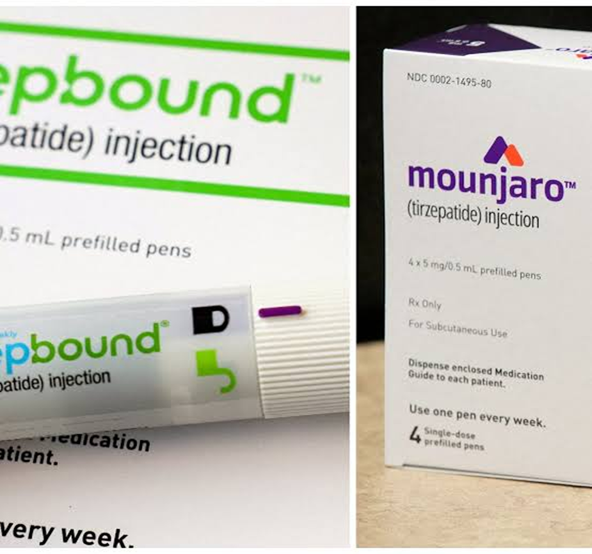
The fierce commercial battle for dominance in the global weight-loss drug market has taken a dramatic legal turn after Novo Nordisk, the Danish pharmaceutical company behind Ozempic and Wegovy, filed a lawsuit against rival Eli Lilly, accusing the American drugmaker of misleading advertising in nationwide campaigns promoting its blockbuster medicines Zepbound and Mounjaro.
Filed in the United States District Court for the District of New Jersey, the lawsuit alleges that Eli Lilly violated the Lanham Act -the principal U.S. law governing false advertising and unfair competition – as well as state consumer protection laws by using outdated clinical comparisons that allegedly exaggerate the superiority of its products over Novo Nordisk’s competing medicines.
At the centre of the dispute is a series of direct-to-consumer advertising campaigns in which Lilly promotes findings from clinical trials suggesting that Zepbound delivers greater weight loss than Wegovy, while Mounjaro performs better than Ozempic in diabetes management.
Novo Nordisk argues that these claims rely on earlier clinical studies comparing Lilly’s highest approved doses with lower-dose versions of Novo’s medicines – comparisons the Danish company says no longer reflect current medical evidence after regulators approved higher-dose versions of Wegovy and Ozempic.
According to the complaint, Lilly continued broadcasting the campaigns even after Novo Nordisk issued a formal cease-and-desist letter earlier this year. Although Lilly later added disclaimers identifying the specific doses used in the underlying studies, Novo contends that the disclosures are too inconspicuous to correct what it describes as an overall misleading impression.
The pharmaceutical company claims the advertisements have generated more than 700 million consumer impressions across television, TikTok, Facebook and major sporting broadcasts, giving the disputed claims enormous commercial reach.
“As new and more effective treatment options become available, people deserve accurate information that reflects the latest scientific evidence and helps them make informed care decisions,” said John F. Kuckelman, Senior Vice President and Group General Counsel at Novo Nordisk.
“Healthcare companies have a responsibility to keep their public claims accurate and current.”
Novo Nordisk is asking the court to issue a permanent injunction stopping the advertisements, compel Eli Lilly to run corrective advertising campaigns and award damages, including profits allegedly generated from the disputed marketing.
Eli Lilly has rejected the allegations and says its advertising accurately reflects the results of rigorous head-to-head clinical trials.
“Rather than compete on the merits of its products, Novo is asking a court to stop Lilly from communicating the results of that trial,” a company spokesperson said.
“We stand firmly behind our advertising. It is truthful, it is transparent, and it is grounded in the most direct scientific evidence available – exactly what patients deserve.”
The legal confrontation underscores the extraordinary commercial stakes surrounding the rapidly expanding market for GLP-1 medicines, which treat obesity and Type 2 diabetes. Industry analysts estimate that the global market for these therapies could exceed US$100 billion annually by 2030, making it one of the most valuable pharmaceutical categories in history.
The BrandiQ Perspective
On the surface, this appears to be another pharmaceutical lawsuit. In reality, it is a defining moment in brand communication, comparative advertising and corporate reputation management.
This is no longer simply a competition between medicines. It is a competition between scientific credibility, consumer trust and brand integrity. The world’s biggest healthcare brands increasingly compete not only in laboratories but also in the marketplace of public perception. As blockbuster drugs become commercially similar in effectiveness, differentiation increasingly depends on how brands communicate scientific evidence to physicians, patients and investors.
That is where the legal risk begins. Comparative advertising has long been one of marketing’s most powerful tools. When supported by robust evidence, it enables consumers to make informed choices while encouraging healthy market competition.
However, healthcare differs fundamentally from most consumer categories. Unlike comparisons between soft drinks or automobiles, pharmaceutical advertising influences medical decisions that directly affect patient health. Any omission of important clinical context—even when based on technically accurate trial results—can become a matter of regulatory scrutiny and legal challenge.
The dispute also illustrates a broader communications lesson. In the digital era, fine-print disclaimers rarely neutralise bold headline claims. Consumers typically remember the dominant message rather than the qualifying details buried beneath it. Courts and regulators are increasingly examining not only whether advertisements are factually accurate, but also the overall impression they leave on audiences.
For global healthcare companies, reputation is therefore becoming as valuable as scientific innovation.
Why African Healthcare Brands Should Pay Attention
Although the lawsuit is unfolding in the United States, its implications extend far beyond North America. Africa’s pharmaceutical sector is expanding rapidly as governments encourage local drug manufacturing, private healthcare investment and digital health innovation.
As competition intensifies, healthcare companies across the continent will increasingly adopt comparative marketing strategies. The Novo-Lilly dispute demonstrates why robust marketing governance must accompany scientific innovation. Every advertising claim must be supported by current evidence, presented in context and capable of withstanding regulatory and legal scrutiny. In highly regulated industries, credibility is one of the most valuable corporate assets.
BrandiQ Analysis: Five Strategic Lessons
1. Brand trust has become a competitive weapon. In healthcare, reputation influences prescribing behaviour, investor confidence and long-term customer loyalty. Scientific credibility is increasingly part of brand equity.
2. Comparative advertising carries significant legal risk. Comparisons with competitors can strengthen market positioning, but they also invite close examination from regulators and rival companies. Precision in messaging is essential.
3. Marketing must evolve with science. As new clinical evidence emerges, companies must continuously review advertising claims to ensure they reflect the latest approved data rather than relying on earlier studies that may no longer provide the full picture.
4. Transparency is now a governance issue. The dispute reinforces the importance of ethical communication. Governance today extends beyond financial reporting to include how companies communicate scientific evidence to the public.
5. The future of healthcare branding lies in evidence. Artificial intelligence, personalised medicine and increasingly informed consumers will demand higher standards of proof. Pharmaceutical companies that combine scientific excellence with transparent communication will enjoy stronger and more resilient brands.
BrandiQ Verdict
The lawsuit between Novo Nordisk and Eli Lilly is more than a courtroom dispute between two pharmaceutical giants. It reflects the growing convergence of science, marketing, law and corporate reputation in one of the world’s most lucrative healthcare markets. As competition intensifies in the race to dominate obesity and diabetes treatment, victory will depend not only on developing better medicines but also on communicating their benefits with accuracy, transparency and integrity. For healthcare brands everywhere – including those across Africa – the case is a reminder that in an age of heightened scrutiny, trust is no longer merely a brand value; it is a strategic business asset.