

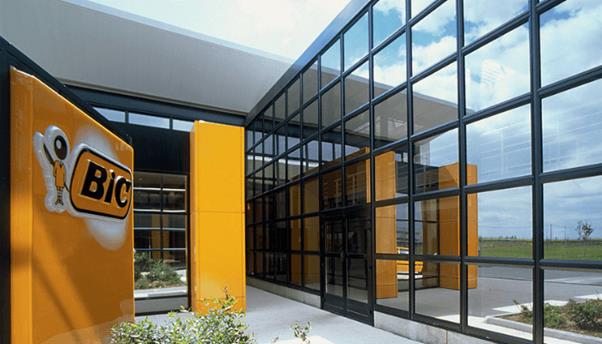
BIC has opened submissions for the seventh edition of its Art Master Africa competition, offering a $2,000 grand prize and international exposure to emerging creatives across the continent.
The competition, which runs from April 21 to July 20, 2026, requires participants to create artworks using only the BIC Cristal.
According to the company, this year’s theme, “Tomorrow in Your Hands,” challenges artists to interpret the future through personal and cultural perspectives while competing for cash rewards, mentorship opportunities, and international visibility.
Marketing Director for Middle East and Africa at BIC, Gregory Alibaux, said the initiative remained focused on empowering young African creatives and amplifying their voices globally.
“In its seventh edition, Art Master Africa continues to empower young artists and encourage them to express themselves through creativity. There is magic in using a simple, everyday tool to create a beautiful work of art,” he said.
BIC stated that winners would gain access to global visibility platforms, including the Art Master Africa Metaverse Gallery, while the winning artwork would become part of the company’s international art collection.
The company added that the competition has expanded significantly since its launch in 2017, attracting thousands of submissions from more than 50 countries during the previous edition.
BrandiQ Analysis
BIC’s continued investment in Art Master Africa reflects the growing global recognition of Africa’s creative economy as a commercially significant sector rather than merely a cultural space.
Across global markets, creativity is increasingly becoming economic infrastructure influencing industries such as:
- Advertising
- Entertainment
- Design
- Gaming
- Fashion
- Digital media
- Technology
Africa’s youthful population and rising digital connectivity are accelerating this transformation.
What makes the initiative particularly strategic is its democratised approach. By requiring only a simple ballpoint pen, the competition lowers participation barriers and signals that creativity, rather than expensive technology, remains the primary driver of artistic value.
The initiative also reflects the increasing global appetite for African aesthetics, storytelling, and creative identity, especially across the US, UK, and European cultural markets where investors and institutions are actively searching for emerging creative voices.
For African economies, the implications are significant. Intellectual property, digital creativity, and cultural exports are becoming increasingly important components of future economic growth. This creates opportunities not only for artists, but also for investors, galleries, media companies, streaming platforms, and technology ecosystems.
Competitions such as Art Master Africa therefore serve a dual purpose: nurturing artistic talent while simultaneously building future creative economies capable of generating employment, cultural influence, and export value.
In an era increasingly shaped by AI-generated content and digital automation, the competition also reinforces a powerful counterpoint: human imagination remains one of the world’s most valuable economic assets.