
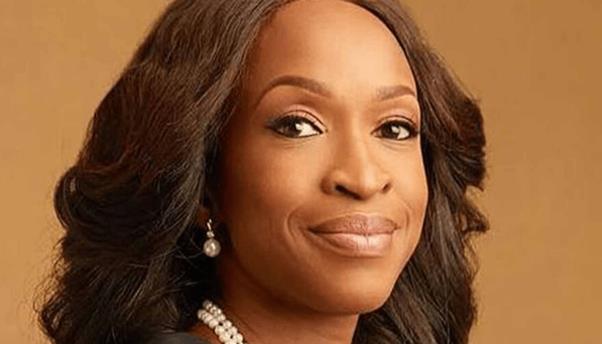

FCMB Group has appointed Adepeju Adebajo as an Independent Non-Executive Director in a move that reflects the growing importance of governance, sustainability, and strategic transformation within Africa’s financial services sector.
The appointment, which received approval from the Central Bank of Nigeria, comes as FCMB seeks to strengthen leadership capacity across its diversified banking, investment management, and consumer finance operations.
In a statement, the Board described the appointment as part of the Group’s long-term strategy to deepen innovation, operational resilience, and responsible business practices.
“Her wealth of experience in business transformation, strategy development, operational excellence, and ESG implementation will strengthen FCMB Group’s leadership and support its continued growth,” the statement noted.
Adebajo brings more than three decades of cross-sector experience spanning renewable energy, agriculture, finance, consulting, and manufacturing.
Her career includes leadership roles at Lafarge Africa, Lumos Nigeria, and Mouka Limited, alongside previous service as Commissioner for Agriculture in Ogun State.
She also serves as founder of the Climate Governance Initiative Nigeria and sits on the World Economic Forum Global Future Council on Climate and Nature Governance.
The Group highlighted her international exposure through previous engagements with Boston Consulting Group and Citibank across London, Europe, and the United States.
According to the Board, her appointment reinforces FCMB’s commitment to governance modernisation, sustainability leadership, and inclusive corporate growth.
BrandiQ Analysis
The appointment of Adepeju Adebajo reflects a broader transformation occurring within African banking and corporate leadership structures.
Globally, financial institutions are no longer evaluated solely on profitability. Investors increasingly assess banks through the lens of:
- Governance quality
- ESG integration
- Climate risk management
- Leadership diversity
- Digital adaptability
- Long-term sustainability
This shift has accelerated particularly across the US, UK, and European investment markets where institutional investors increasingly tie capital allocation to governance standards and sustainability performance.
FCMB’s appointment therefore carries significance beyond boardroom restructuring.
It signals how African financial institutions are repositioning themselves within a global investment environment where governance credibility has become a strategic economic asset.
Adebajo’s background is especially notable because it intersects several sectors shaping the future global economy:
- Renewable energy
- Climate governance
- Agriculture
- Financial transformation
- Sustainability strategy
These are no longer peripheral concerns for banks. Climate transition risks, energy financing, green investments, and sustainable infrastructure are rapidly becoming central to global banking strategy.
For Nigeria and Africa, this evolution is important.
African financial institutions are increasingly being pressured to finance:
- Energy transition projects
- Climate adaptation infrastructure
- SME growth
- Digital transformation
- Industrial development
At the same time, they must maintain governance standards capable of attracting international capital.
The inclusion of executives with global exposure and sustainability expertise suggests that leading African firms are beginning to align themselves more deliberately with global investment expectations.
For international investors, governance quality increasingly influences risk perception in emerging markets – Strong boards, transparent leadership structures, and ESG alignment – can significantly improve investor confidence, lower financing costs, and enhance long-term competitiveness.
The appointment also reflects another growing trend within global corporate leadership: the rise of interdisciplinary executives. The future economy increasingly rewards leaders capable of navigating multiple domains simultaneously including finance, sustainability, technology, geopolitics, and industrial strategy.
In that sense, FCMB’s move is not merely about corporate governance. It reflects the evolving architecture of modern capitalism itself, where leadership increasingly requires the ability to manage complexity across economic, environmental, technological, and social systems simultaneously.