

National Advertising Conference to Examine AI, Digital Regulation, Creative Economy and Industry Transformation.
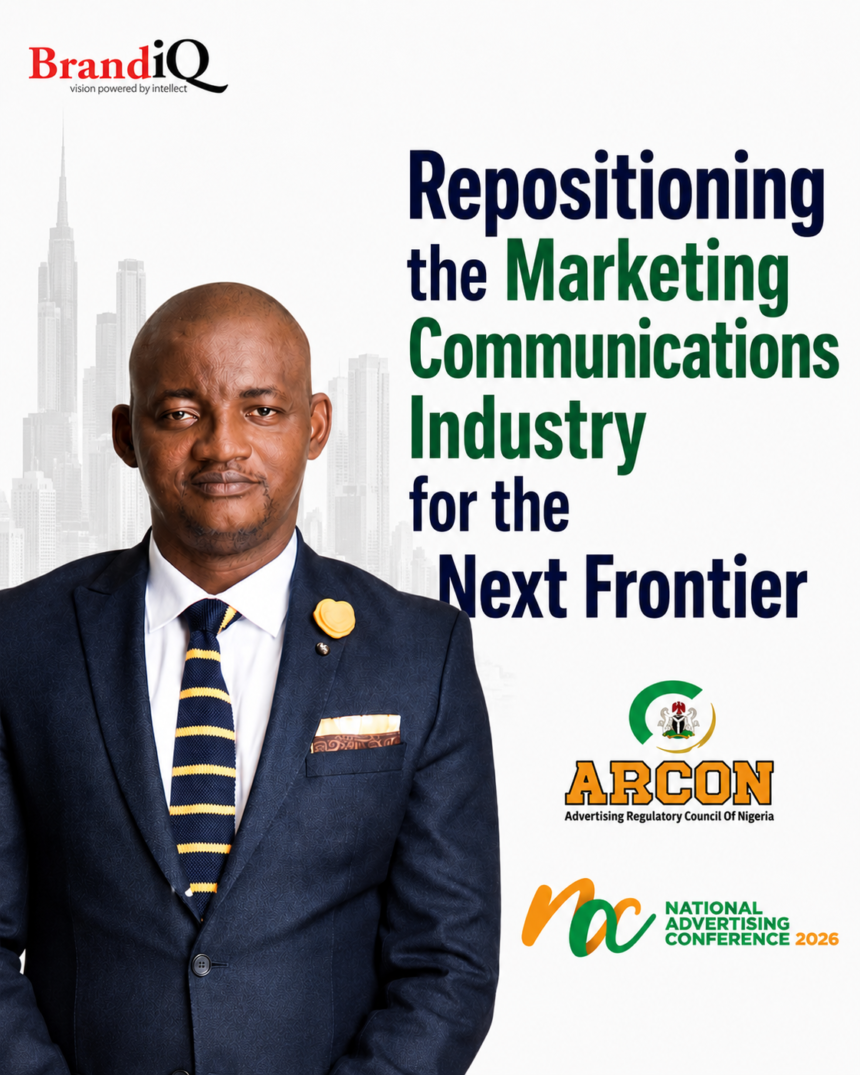
Nigeria’s advertising and marketing communications industry is preparing for a major strategic conversation on the future of the profession as industry leaders, regulators, advertisers, agencies, media owners and technology innovators converge for the 2026 National Advertising Conference (NAC) in Abuja.
Scheduled to hold from November 11 to 13, 2026, the conference will be held under the theme: “Repositioning the Marketing Communications Industry for the Next Frontier.” The event is expected to bring together key players across the marketing communications ecosystem to examine the trends, disruptions and opportunities reshaping the industry.
According to a press statement issued by the National Advertising Conference Committee, the annual gathering will provide a platform for thought leadership, knowledge exchange and strategic dialogue as the industry navigates rapid technological change, economic pressures, artificial intelligence, digital transformation and evolving consumer behaviour.
The conference programme reflects the industry’s growing concern about future readiness and competitiveness. Discussions will focus on critical issues including industry preparedness for the next phase of growth, the evolving role of Chief Marketing Officers, agency transformation, audience measurement systems in broadcast media, digital marketing regulation, artificial intelligence governance, the creative economy and the future relevance of industry awards.
Organisers say the conference will also feature exhibitions and interactive showcases designed to highlight innovation, creativity and emerging solutions from across Nigeria’s advertising and communications landscape.
A distinguished lineup of speakers has been announced for the conference, including the Honourable Minister of Information and National Orientation, Mohammed Idris; the Honourable Minister of Art, Culture, Tourism and the Creative Economy, Hannatu Musa Musawa; former Opay Chief Executive Officer and Executive-in-Residence at Lagos Business School, Olu Akanmu; Mastercard West Africa Marketing Director, Idemudia Dima Okojie; Patrick Gomes of FMEIL; Tony Agenmonmen of OE&E Consult; and the Director-General of the National Council for Arts and Culture, Obi Asika, among other industry leaders.
Industry practitioners, organisations and stakeholders have been encouraged to register early and participate in what is expected to be one of the most important conversations on the future direction of Nigeria’s marketing communications industry. The conference will also provide sponsorship and exhibition opportunities for brands seeking visibility and engagement with senior decision-makers across the sector.
The National Advertising Conference remains Nigeria’s foremost annual gathering for advertising and marketing communications professionals and serves as a platform for strategic discourse, innovation and collaboration within the industry.
BrandiQ Analysis
Why NAC 2026 May Be One of the Most Important Industry Gatherings in Recent Years
Beyond the conference announcement lies a deeper industry story. The choice of the theme – “Repositioning the Marketing Communications Industry for the Next Frontier” – suggests that industry leaders recognise that the traditional structures, business models and assumptions that shaped advertising over the last two decades may no longer be sufficient for the future. The marketing communications industry is experiencing one of the most profound transformations in its history.
Artificial intelligence is reshaping content creation and media planning. Digital platforms continue to fragment audiences. Consumer trust is becoming increasingly difficult to earn. Data privacy concerns are redefining marketing practices. At the same time, brands are demanding measurable business outcomes rather than simply creative excellence.
Against this backdrop, NAC 2026 appears less like a routine industry conference and more like a strategic industry recalibration.
ARCON’s Expanding Regulatory Vision
One of the most significant signals from the conference agenda is the inclusion of discussions around digital marketing regulation and artificial intelligence.
Traditionally, advertising regulation focused on conventional media channels such as television, radio, print and outdoor advertising. However, the emergence of influencer marketing, algorithm-driven advertising, synthetic media and AI-generated content has created entirely new regulatory challenges. The conference therefore reflects an important shift in regulatory thinking – from regulating advertising to regulating complex digital communication ecosystems.
This suggests that Nigeria’s advertising regulators are beginning to position themselves for a future in which AI governance, digital ethics and platform accountability will become central industry concerns.
The Creative Economy Takes Centre Stage
Equally significant is the focus on the Nigerian creative economy.
For years, advertising was often viewed as a support service to business. Today, governments around the world increasingly recognise creativity as an economic asset capable of generating jobs, exports, innovation and national competitiveness.
The inclusion of the creative economy on the NAC agenda aligns with a growing global trend that sees advertising, media, branding, content creation, design and communications as contributors to economic growth rather than merely promotional functions.
This is particularly important for Nigeria, where creative industries continue to demonstrate significant potential for employment generation and international influence.
A Critical Conversation for Agencies
Perhaps no sector faces greater pressure than advertising agencies. The question, “Is the Agency Sector Ready for the Next Frontier?” is likely to become one of the defining conversations of the conference.
Many agencies are currently grappling with:
- Artificial intelligence disruption;
- Client demands for measurable return on investment;
- Increased competition from consulting firms;
- Growing in-house marketing capabilities within client organisations;
- Fragmented media environments;
- Talent retention challenges.
The agencies that thrive in the next decade will likely be those that evolve beyond creative execution to become strategic business partners.
What This Means for the Profession
The significance of NAC 2026 extends beyond advertising. Public relations practitioners, marketers, media professionals, digital strategists, content creators and communication consultants all operate within the same rapidly changing ecosystem. The conference therefore represents an opportunity for the broader marketing communications industry to collectively rethink its future role in business, governance, technology and society.
In many respects, NAC 2026 is not simply about discussing the future. It is about deciding whether the industry will shape the future – or be shaped by it. The conversations that emerge from Abuja in November may well influence how Nigeria’s marketing communications profession positions itself in an era increasingly defined by artificial intelligence, digital transformation, data-driven decision-making and the expanding creative economy.