



School of Influence programme signals the growing professionalisation of Africa’s creator economy as brands demand commercially skilled influencers
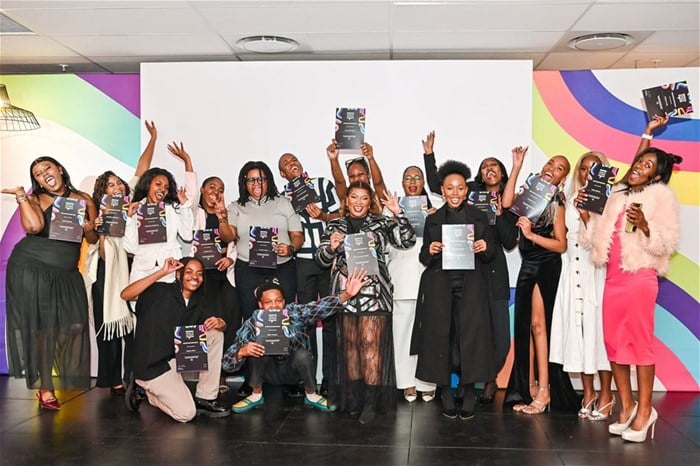
Global marketing and communications network Dentsu, in partnership with Creator Services Africa (CSA), has graduated a new cohort of digital creators through its School of Influence, reflecting the rapid evolution of Africa’s creator economy from social media influence to structured digital entrepreneurship.
The Johannesburg-based accelerator programme concluded with the graduation of 16 emerging creators, who completed an intensive training initiative designed to equip participants with the commercial, financial and strategic skills increasingly required to operate as professional media businesses.
Unlike traditional influencer programmes that focus primarily on content production and audience growth, the Dentsu School of Influence positioned creators as entrepreneurs capable of building sustainable businesses around digital media, brand partnerships and intellectual property.
Participants received training covering business management, creator analytics, commercial pricing, financial planning, invoicing, compliance and audience measurement using industry tools including CreatorIQ.
The programme also featured masterclasses from senior marketing executives, digital platform specialists and brand leaders, exposing participants to the commercial realities of working with global brands and advertising agencies.
Among the contributors were executives from TikTok Africa and Google, who provided insights into platform algorithms, audience development, digital monetisation and advertising strategies, while senior marketers from leading consumer brands challenged participants to develop solutions to live commercial marketing briefs.
Commenting on the initiative, Head of Social and Influencer at Dentsu Creative South Africa, Lebo Moerane, said the creator economy has evolved beyond content production into a sophisticated business ecosystem. “Today’s creators are digital entrepreneurs, storytellers and business strategists. Our objective is to equip emerging talent with the commercial understanding, legal awareness and professional networks required to transform cultural influence into long-term enterprise value.”
Similarly, Executive Director of CSA, Davin Phillips, said the programme reflects the growing economic significance of Africa’s creator ecosystem. “The creator economy is no longer emerging – it is a growing economic force. The creators who will lead in the years ahead will not simply build audiences; they will build businesses, shape culture and create commercial value.”
The programme concluded with awards recognising outstanding performance across several categories, while organisers confirmed that the initiative will expand to Cape Town later this year as part of its continued investment in developing Africa’s digital creator ecosystem.
BrandiQ Insight
The Creator Economy Is Becoming a Serious Business Sector
For many years, influencer marketing was often viewed as an extension of social media popularity. That perception is changing rapidly. Today’s leading creators are increasingly operating as entrepreneurs, managing media brands, negotiating commercial partnerships, analysing audience data and developing diversified revenue streams.
As a result, the creator economy is evolving into a structured business sector requiring professional management and strategic capabilities.
Brands Want Business Partners, Not Just Influencers
One of the most important lessons emerging from programmes such as Dentsu’s School of Influence is that brands are raising expectations for creators. Marketing budgets are increasingly directed toward creators who can demonstrate measurable business outcomes rather than simply large follower counts.
This means that commercial literacy, data analytics, brand strategy and professionalism are becoming as valuable as creativity itself. For agencies and advertisers, creators are no longer merely promotional channels – they are strategic marketing partners capable of contributing to brand growth.
The Future of Influence Is Enterprise
The curriculum’s emphasis on invoicing, financial compliance, pricing models and business operations reflects a broader transformation within the digital economy.
Successful creators are increasingly building sustainable enterprises rather than relying solely on advertising revenue or sponsored content. Many are expanding into product development, consulting, education, media production and intellectual property licensing, creating businesses that extend well beyond individual social media platforms.
Implications for Africa’s Marketing Industry
Africa’s creator economy continues to attract growing investment from brands seeking authentic consumer engagement across digital platforms. As competition intensifies, agencies are likely to prioritise creators who combine creativity with commercial discipline, strategic thinking and measurable performance.
Training initiatives that strengthen these capabilities could contribute significantly to raising professional standards across the industry while improving confidence among corporate advertisers.
The Bigger Picture
The graduation of a new cohort from Dentsu’s School of Influence reflects a broader transformation taking place across Africa’s digital economy.
The future belongs not simply to creators who attract audiences, but to those who can build credible businesses around their influence. For marketers, this evolution expands opportunities for more strategic partnerships. For creators, it signals that long-term success will increasingly depend on entrepreneurship, professionalism and measurable value creation.
In the next phase of the creator economy, influence alone will not be enough – business capability will become the true competitive advantage.