

As clean energy overtakes coal globally, attention is shifting from technology to governance, regulation and investment systems needed to accelerate Africa’s energy transition
Based on reporting by Allan Olingo for the Associated Press (AP), Africa’s transition to renewable energy is entering a new phase, with industry experts arguing that the continent’s greatest challenge is no longer the availability of clean energy technologies but the strength of the institutions required to deliver them at scale.
The emerging consensus comes as renewable energy reaches a historic milestone globally. According to experts cited by the Associated Press, renewable sources generated 34 per cent of global electricity in 2025, surpassing coal’s 33 per cent share for the first time. Together with nuclear energy, renewables are projected to account for half of the world’s electricity generation by 2030.
Despite Africa’s abundant renewable energy resources, approximately 600 million people across the continent still lack access to electricity, highlighting the scale of the infrastructure and investment challenge.
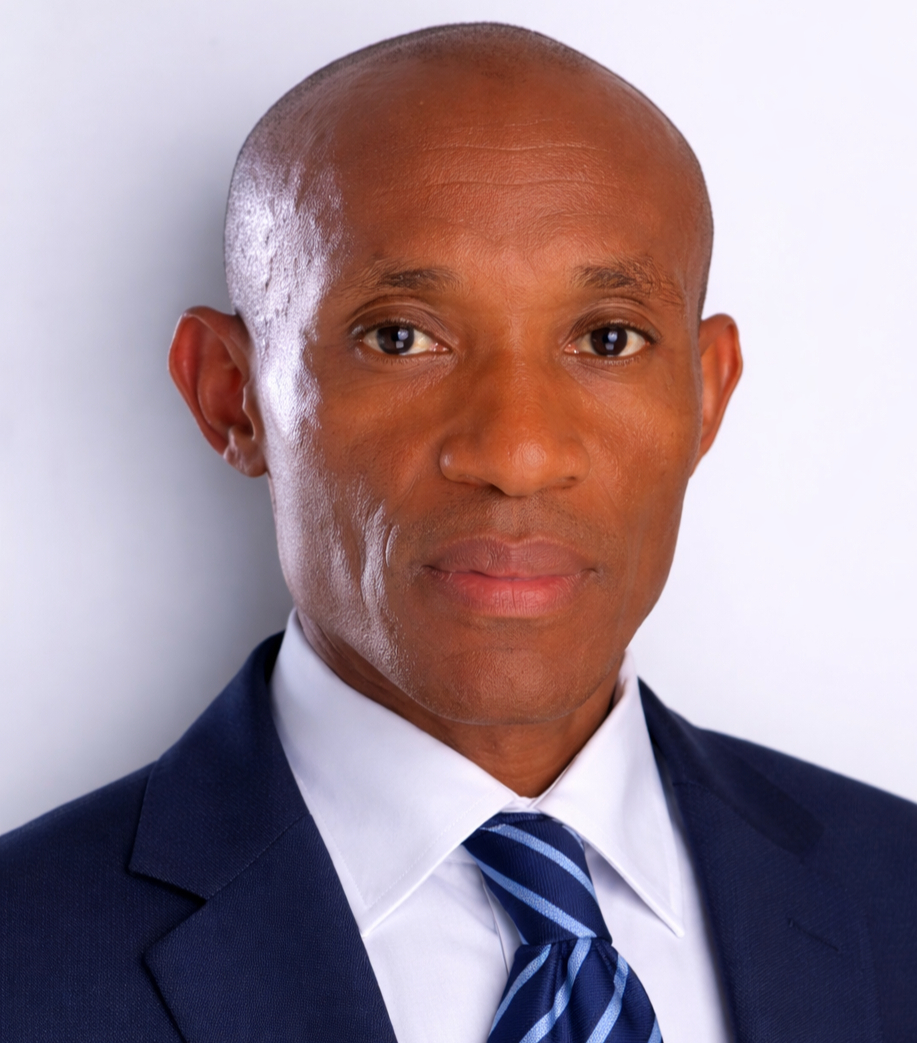
Speaking while announcing a US$285 million Bloomberg Philanthropies initiative to strengthen clean energy industries in emerging and developing economies, Michael R. Bloomberg, the United Nations Secretary-General’s Special Envoy on Climate Ambition and Solutions, said falling renewable energy costs have fundamentally changed the economics of the global energy transition.
“Clean energy is now cheaper than fossil fuels in virtually every part of the world,” Bloomberg said.
He noted, however, that institutional and regulatory barriers continue to slow deployment despite rapidly rising global demand for electricity driven by industrialisation, artificial intelligence and electrification.
Rather than financing renewable energy projects directly, the Bloomberg initiative will focus on strengthening regulatory systems, market design, technical expertise and institutional capacity – areas increasingly viewed as critical for attracting private investment and accelerating renewable energy deployment.
Industry experts argue that many African renewable energy projects continue to face delays due to weak regulatory frameworks, limited electricity grid planning, lengthy approval processes and fragmented market structures.
Executive Director of the African Climate Foundation, Saliem Fakir, said Africa’s greatest challenge is no longer resource availability but institutional readiness. “What has been missing is not the potential, but the institutional infrastructure and capabilities to unlock it.”
Similarly, Chief Executive Officer of RE.Think Energy, Wangari Muchiri, observed that the next phase of Africa’s energy transition will depend less on proving renewable technologies and more on removing the systemic barriers preventing large-scale deployment.
According to Muchiri, future success will be measured not only by the number of renewable energy projects constructed but also by the quality of the institutions that enable those projects to attract investment, connect to national electricity grids and operate sustainably.
BrandiQ Insight
Africa’s Energy Challenge Is Becoming a Governance Challenge
One of the most important messages emerging from the global energy transition is that technology is no longer the principal constraint.
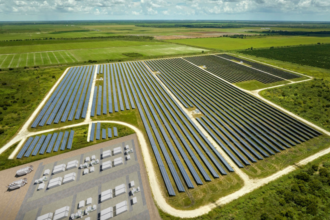
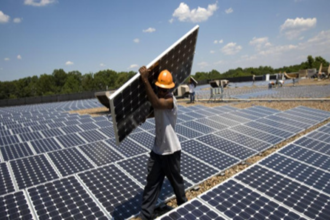
Solar panels work.
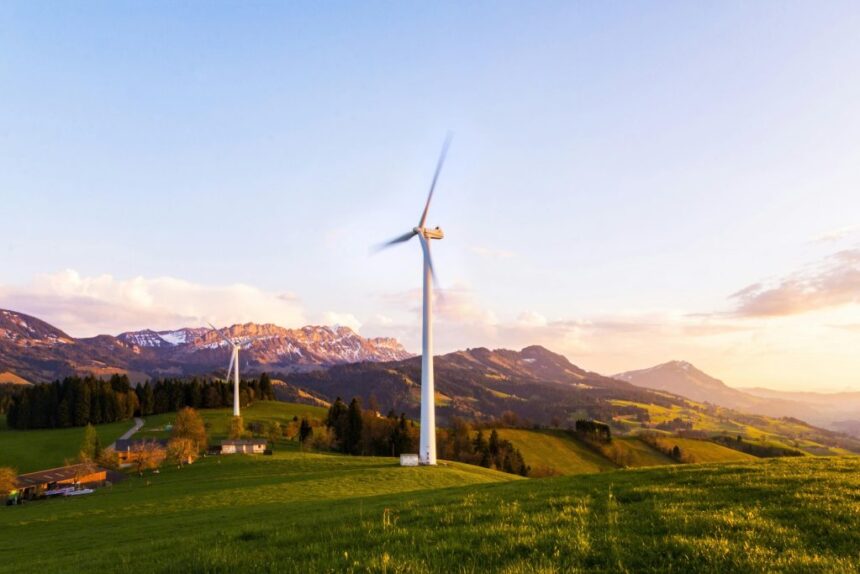
Wind turbines work.
Battery storage continues to improve. The question confronting Africa today is not whether renewable energy is technically viable. It is whether African institutions are sufficiently prepared to deploy these technologies at the scale required for economic transformation.
Institutional Capacity Is Becoming the New Infrastructure
Historically, discussions around energy investment focused primarily on physical infrastructure. Today, institutional infrastructure has become equally important. Effective regulators, transparent licensing systems, predictable policies, efficient electricity markets and competent public institutions increasingly determine whether investment flows into renewable energy projects.
Without these governance structures, even countries possessing abundant renewable resources struggle to attract long-term private capital.
Artificial Intelligence Will Intensify Electricity Demand
One of the more significant observations in this discussion is the growing influence of artificial intelligence. AI data centres, cloud computing, advanced manufacturing and digital economies require reliable and affordable electricity.
As African countries pursue digital transformation strategies, expanding renewable energy capacity will become not merely an environmental objective but a strategic economic necessity. Countries unable to meet future electricity demand risk limiting industrial development and digital competitiveness.
Implications for Nigeria
The issues highlighted by the Associated Press resonate strongly with Nigeria. Despite significant investments in electricity sector reforms, the country continues to experience persistent power shortages, constrained grid capacity and investment uncertainties.
Nigeria possesses substantial solar, wind and natural gas resources capable of supporting a diversified energy system. However, unlocking those opportunities will require stronger regulatory certainty, improved market governance, faster project approvals and greater confidence among domestic and international investors.
The lesson is clear: energy abundance alone does not guarantee energy security. Institutional effectiveness does.
The Bigger Picture
Africa’s renewable energy future will be determined by more than technological innovation. It will depend on the quality of governance, the strength of regulatory institutions and the ability of governments to create predictable investment environments that encourage long-term capital.
The continent has already demonstrated that it possesses abundant renewable resources. The next challenge is building the institutional architecture capable of converting those resources into affordable electricity, industrial growth and sustainable economic development.
In the emerging global clean energy economy, the strongest competitive advantage may no longer be natural resources – it may be institutional capacity.