


Leadership transition comes as global beverage giant accelerates digital transformation, AI-driven marketing and consumer engagement strategy
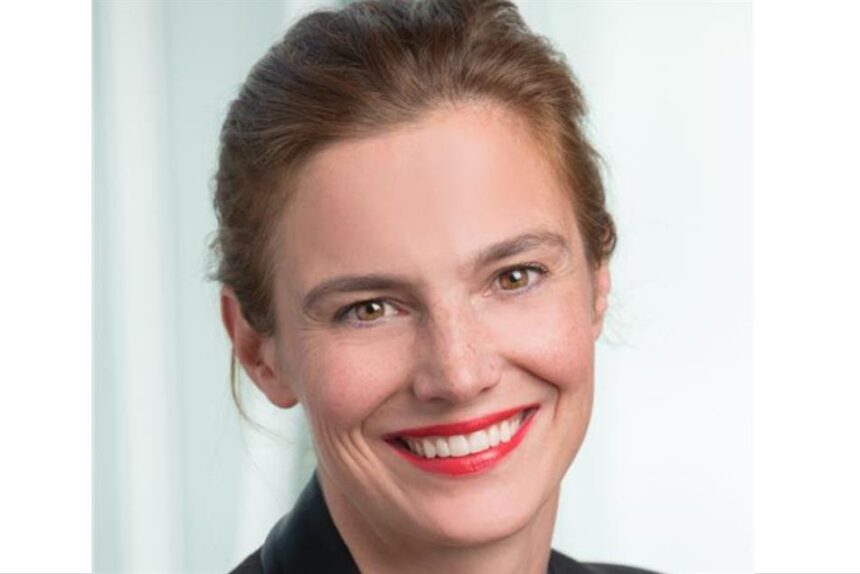
Coca-Cola‘s Senior Marketing Director for Great Britain and Ireland, Elodie Peribere, has stepped down from her role, marking another senior leadership transition within one of the world’s most influential consumer brands as the company continues to reshape its marketing organisation for a rapidly evolving marketplace.
Peribere joined Coca-Cola’s UK and Ireland business in 2024 after leading the company’s marketing operations in France, taking over responsibility for one of Coca-Cola’s most strategically important European markets. Her appointment followed an internal promotion that reflected the company’s emphasis on developing leadership from within its global marketing organisation.
During her tenure, Coca-Cola continued to strengthen its portfolio through integrated consumer campaigns spanning flagship brands including Coca-Cola, Diet Coke, Sprite, Fanta and Schweppes, while deepening its engagement with younger audiences through sports, entertainment and digital marketing initiatives.
Her departure comes as Coca-Cola globally continues to accelerate its digital transformation agenda, placing greater emphasis on data-driven marketing, artificial intelligence, consumer analytics and technology-enabled customer engagement.
Earlier this year, the company announced broader organisational changes designed to strengthen digital capabilities, simplify operations and bring the business closer to consumers across international markets.
Neither Coca-Cola nor Peribere publicly disclosed details surrounding the transition at the time of reporting, and the company had not announced a permanent successor.
The leadership change nevertheless reflects the continuing evolution of senior marketing roles within multinational consumer goods companies as organisations adapt to shifting consumer behaviour, artificial intelligence and increasingly complex digital ecosystems.
BrandiQ Insight
Marketing Leadership Is Being Redefined
Executive changes at global consumer brands rarely occur in isolation. Increasingly, they reflect broader organisational transformation rather than routine personnel movements. For companies such as Coca-Cola, marketing leaders today are expected to manage far more than advertising campaigns.
Their responsibilities now extend across digital transformation, first-party data strategy, artificial intelligence, customer experience, sustainability, retail partnerships and commercial growth. The modern Chief Marketing Officer has become a strategic business leader rather than simply the custodian of brand communications.
The New Marketing Agenda Is Technology-Driven
Coca-Cola has spent the past several years modernising its operating model around digital capabilities and consumer intelligence. Artificial intelligence, predictive analytics, personalised marketing and connected consumer experiences are now becoming integral components of brand strategy.
As a result, marketing leadership increasingly requires expertise that combines creativity with technology, commercial insight and organisational transformation. The expectations placed on senior marketers have expanded significantly.
Why Leadership Continuity Matters For multinational brands, leadership transitions also present strategic opportunities. Fresh leadership often introduces new perspectives on consumer engagement, innovation and organisational capability while building upon existing brand equity.
The challenge lies in maintaining consistency in long-term brand positioning while responding to rapidly changing market conditions. Companies that successfully balance continuity with innovation are generally better positioned to sustain competitive advantage.
Lessons for African Marketing Organisations
The transition offers useful lessons for businesses across Africa. Marketing leadership is evolving into one of the most multidisciplinary executive functions within modern organisations.
Future marketing leaders will increasingly require expertise across data analytics, artificial intelligence, behavioural science, technology platforms, corporate strategy and financial performance in addition to traditional brand management skills. Professional development within the communications industry must therefore evolve to prepare executives for these broader strategic responsibilities.
The Bigger Picture
Elodie Peribere’s departure is more than a routine executive move. It reflects the continuing transformation of global marketing leadership as organisations reposition themselves for an economy increasingly shaped by digital technologies, artificial intelligence and changing consumer expectations.
For brands, the competitive advantage of the future will depend not only on the strength of their products, but also on the quality of the leadership guiding their marketing transformation.