


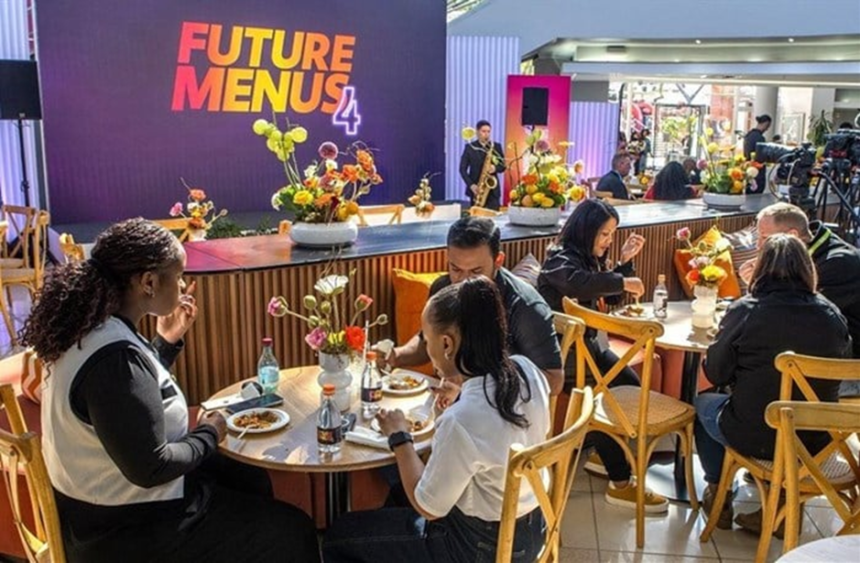

Why restaurants, FMCG brands and investors are rethinking food economics
The global foodservice industry is entering a profound transition as artificial intelligence, inflationary pressure, consumer psychology and changing cultural tastes redefine what people eat, how restaurants operate and where investors place their bets.
That shift is becoming increasingly visible across Africa, Nigeria, the United States, Europe and Asia as restaurant operators confront rising operational costs, tightening consumer spending and a new generation of diners demanding not just food, but meaning, authenticity and personalised experiences.
A new global industry outlook by Unilever Food Solutions suggests that the future of foodservice in 2026 will be shaped less by luxury dining excesses and more by strategic simplicity, AI-assisted menu engineering, cultural storytelling and affordability-driven innovation.

The report, which draws from global chef networks, online behavioural data and consumer dining patterns across more than 75 countries, signals a deeper restructuring of the global hospitality and food economy.
For businesses, the message is becoming clear: the future of food is no longer just culinary. It is technological, psychological, cultural and economic.
The Age of “Intentional Consumption”
For much of the past decade, global food culture was driven by spectacle:
- extravagant presentation,
- premium ingredients,
- social media aesthetics,
- and experiential dining.
But economic realities are changing consumer priorities.
Inflation, currency pressures and declining disposable income across many economies have forced consumers to become more deliberate about spending decisions, including what they eat and where they dine.
In Nigeria, South Africa, Kenya and several emerging markets, rising food prices and broader cost-of-living pressures are already reshaping consumer dining behaviour.
The modern consumer increasingly asks:
- Is the meal worth the price?
- Is it authentic?
- Does it reflect quality?
- Does the brand align with personal identity and values?
This represents a shift from aspirational consumption toward intentional consumption.
And it is forcing restaurant operators and food brands to rethink strategy.
AI Quietly Enters the Kitchen
One of the most consequential developments in the report is the growing integration of artificial intelligence into menu planning, operational efficiency and customer personalisation.
Globally, AI is rapidly becoming embedded within foodservice systems.
Restaurants are increasingly deploying AI for:
- Inventory forecasting,
- Menu optimisation,
- Waste reduction,
- Demand prediction,
- Customer targeting,
- and pricing efficiency.
The significance of this trend for Africa cannot be overstated.
Across Nigeria and other emerging economies, food inflation and supply chain instability have severely pressured restaurant profitability. AI-powered systems may now help operators optimise ingredient usage, reduce wastage and improve purchasing decisions in ways previously inaccessible to smaller operators.
For fast-growing African restaurant chains and FMCG companies, AI could become a competitive differentiator.
Companies capable of understanding consumer preferences in real time may outperform rivals still relying on instinct-driven operations.
The Return of Cultural Authenticity
Perhaps the most fascinating shift is the renewed global appetite for cultural and indigenous food identity. The report highlights a major trend toward heritage-driven dining where local ingredients, traditional cooking methods and indigenous culinary narratives are being modernised for contemporary audiences.
This has enormous implications for Africa.
For decades, global food prestige was disproportionately dominated by European culinary frameworks. But international consumer behaviour is increasingly shifting toward authenticity and cultural storytelling.
African cuisine now sits at the centre of a growing global opportunity.
Nigerian dishes such as:
- Jollof rice,
- Suya,
- Ofada,
- Nkwobi,
- Vegetable soup
- Amala and others,
are increasingly finding space within global food conversations. Restaurants capable of presenting indigenous African cuisine with elevated storytelling, branding and consistent quality may gain stronger international visibility.
This trend also creates opportunities for:
- tourism,
- export branding,
- hospitality investment,
- and culinary entrepreneurship.
In the UK and US particularly, where African diaspora influence continues to expand, culturally authentic African food concepts are becoming commercially attractive investment categories.
Why Global Investors Are Paying Attention
The foodservice industry is no longer viewed merely as hospitality. It is increasingly considered part of the broader experience economy. Globally, investors now evaluate restaurant brands not only by food quality, but by:
- Cultural positioning,
- Customer loyalty,
- Technology integration,
- Operational scalability,
- and Data intelligence.
AI-powered food ecosystems are becoming especially attractive to venture capital and institutional investors. In developed markets, major restaurant groups already use predictive analytics to optimise customer retention, pricing and menu performance.
Africa may now be entering the early stages of that transition.
For investors in the US and UK, Africa’s rapidly urbanising population presents long-term growth opportunities in:
- quick service restaurants,
- cloud kitchens,
- delivery infrastructure,
- digital dining platforms,
- and culturally differentiated food brands.
However, businesses capable of balancing affordability with experience will likely dominate.
The New Consumer Is Hyper-Aware
Another important insight emerging from the global food industry is the transformation of consumer consciousness. Social media and digital culture have fundamentally changed how people relate to food. Food is no longer merely functional.
It is now tied to:
- identity,
- social belonging,
- wellness,
- ethics,
- environmental consciousness,
- and emotional experience.
Younger consumers, especially Gen Z, increasingly reject artificiality.
They prefer:
- transparent sourcing,
- local ingredients,
- honest storytelling,
- and brands perceived as authentic.
This explains why “street food couture” and “borderless cuisine” are becoming major global trends. Consumers increasingly value food experiences that feel culturally grounded rather than artificially manufactured. For African brands, this creates a rare opportunity. Local food culture itself may become one of Africa’s strongest global soft power exports.
Nigeria’s Restaurant Industry Faces a Strategic Turning Point
For Nigeria specifically, the implications are profound. The country’s foodservice industry remains highly fragmented, with many operators still functioning within traditional business structures lacking technology integration and strategic brand positioning. But market realities are changing quickly. Consumers now compare local dining experiences not just with nearby competitors, but with global digital food culture seen daily on TikTok, Instagram and YouTube. This means Nigerian restaurants and food brands increasingly compete within a global attention economy.
To survive, operators may need stronger capabilities in:
- digital branding,
- consumer analytics,
- menu engineering,
- operational efficiency,
- and experiential storytelling.
The rise of AI may further accelerate consolidation within the industry.
Larger restaurant groups capable of deploying technology, predictive systems and stronger supply chain management may gain structural advantages over smaller informal operators.
Food Inflation and Global Economic Pressures
The timing of these trends is also significant.
The global food industry continues to face major pressure from:
- geopolitical instability,
- climate disruptions,
- shipping volatility,
- energy costs,
- and agricultural supply shocks.
Conflicts affecting global logistics and fertiliser supply chains continue to influence food pricing across emerging markets. This has intensified pressure on both consumers and restaurant operators. As a result, affordability itself is becoming a strategic business model. Consumers still seek quality experiences, but increasingly within economically rational boundaries. This explains why the report places strong emphasis on “value-driven dining.” The future restaurant winner may not necessarily be the most luxurious brand, but the operator capable of delivering:
- emotional satisfaction,
- authenticity,
- affordability,
- and efficiency simultaneously.
AI and Human Creativity Must Coexist
Despite the rise of AI systems, the report also indirectly reveals something deeper about the future of hospitality. Technology alone cannot replace emotional resonance. Food remains profoundly human. What consumers increasingly seek is not merely automation, but experiences that feel:
- personal,
- culturally grounded,
- emotionally meaningful,
- and socially authentic.
The future of foodservice therefore may depend on balancing technological intelligence with human creativity. Restaurants that become overly mechanised risk losing emotional connection. Those that reject technology entirely may struggle operationally.
The winners may be brands capable of combining:
- AI efficiency,
- authentic storytelling,
- cultural intelligence,
- and human-centred hospitality.
BrandiQ Takeaways
The global food industry is entering a new era where artificial intelligence, affordability and cultural authenticity are becoming the core drivers of competition. For Nigeria and Africa, this transition presents both opportunities and risks.
African cuisine is gaining stronger international relevance at precisely the moment consumers are seeking authenticity and cultural meaning. At the same time, AI is rapidly transforming how restaurants manage operations, personalise experiences and improve profitability.
For investors, the future food economy increasingly lies at the intersection of:
- technology,
- consumer psychology,
- cultural branding,
- and operational intelligence.
For Nigerian operators, the lesson is urgent. The next generation of successful restaurant and food brands may not simply be those with the best recipes. They may be those capable of understanding the modern consumer better than anyone else.