

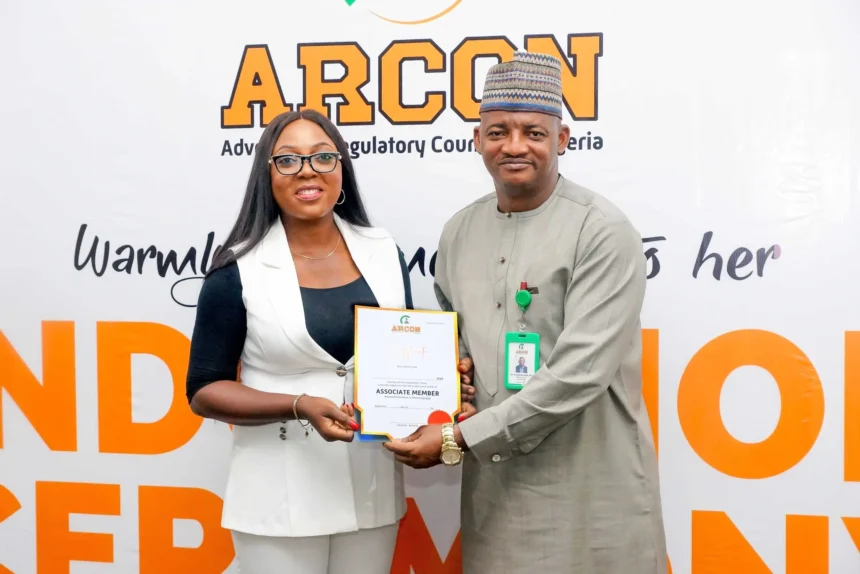

In what is arguably the most consequential legal pronouncement in Nigeria’s advertising history, the Federal High Court in Lagos has firmly established that the Advertising Regulatory Council of Nigeria (ARCON) holds sweeping authority over all advertising content – whether published on traditional platforms like TV, radio, and billboards, or on new-age channels such as Instagram, TikTok, YouTube, and Twitter.
This ruling is not just a victory for ARCON; it is a regulatory reset button that will force sweeping changes across Nigeria’s marketing, media, and digital creative ecosystem. But with this reset comes both promise and pain.
A New Advertising Landscape: Total Regulation Across Board
Justice Aluko’s ruling in Suit No. FHC/L/CS/1262/2024 makes it crystal clear: any entity or individual – brand, agency, influencer, content creator – who publishes commercial communications is now under ARCON’s watch. Whether you’re Nestlé launching a multi-million-naira TV campaign, or a Lagos-based Instagram influencer promoting a new skincare product, the rules now apply uniformly. Dr. Lekan Fadolapo, Director General of ARCON, had long argued for such clarity. “Advertising today is not just in newspapers and on billboards; it’s also in every swipe and scroll on your phone,” he noted last year. The court ruling now gives legal force to this reality.
Impact on Digital Content Creators: From Free Spirits to Licensed Actors
Perhaps the biggest shockwaves will hit Nigeria’s booming influencer economy. Over the past decade, thousands of content creators, bloggers, and nano-and mega-influencers have emerged as the new darlings of brand campaigns – often operating outside traditional regulatory oversight. Now, every sponsored post, affiliate link, and paid partnership must be vetted and pre-approved by ARCON. This is no small administrative shift. According to digital marketing expert and CEO of Dashboard Innovation, Mr. George Ugegbua, “The influencer industry thrives on speed and spontaneity. This new legal regime introduces layers of bureaucracy that could slow campaigns down, but it will also weed out deceptive and harmful advertising.”
Economic Implications: Compliance Costs and Employment Disruption
While regulatory discipline is welcome, the economic consequences are layered.
Small brands, startups, and individual content creators – many of whom rely on quick, unregulated promotional posts – will now face compliance costs. Vetting fees, legal consultations, and longer lead times could make advertising more expensive and complex for grassroots entrepreneurs. Moreover, the informal creative economy that feeds Nigeria’s youth employment engine will feel the pinch. From freelance copywriters to micro-agencies that produce digital campaigns, many will need reorientation and formal registration to stay afloat.
Yet, in the longer term, structured regulation can build more sustainable advertising jobs and professional credibility. As John Austin Unachukwu, a lawyer and journalist, who publishes the Creed magazine noted: “Professionalization of digital marketing is overdue in Nigeria. Regulation will create standards that protect both consumers and practitioners, but we must manage the transition carefully to avoid stifling innovation.”
Brands Must Rethink Strategy: Vetting Is Now Non-Negotiable
For brands operating in Nigeria, this ruling is a wake-up call. Multinational and local brands can no longer bypass ARCON’s vetting by running “digital-only” campaigns via influencers and online platforms. The court’s explicit recognition that platforms like Instagram are public advertising channels ends this loophole.
As a senior marketing executive at Nigerian Breweries, who requested anonymity, put it: “This changes the game. It forces us to re-integrate our digital and traditional advertising compliance processes. There’s no parallel track anymore – it’s one national standard.”
Need for Massive Reorientation and Industry Enlightenment
For the ruling to succeed without causing disruption, ARCON must now pivot from regulator to educator. Thousands of content creators, agencies, and SMEs will need hands-on guidance on:
- What qualifies as “advertising” under the law
- How to submit digital content for approval
- Timeframes and costs involved
- Penalties for non-compliance
This is an opportunity for ARCON to launch nationwide workshops, online certification programs, and digital literacy campaigns targeting influencers and SMEs.
Failure to do so could spark backlash, especially if early enforcement appears punitive rather than corrective. According to Abiola Kabiru, a digital marketing, business innovation and technology strategist, “This is the time for ARCON to re-engineer its curriculum to accommodate new realities in the marketing communication industry. ARCON can also partner with other training organisations to support its educational initiatives.”
The Bigger Picture: Consumer Protection and National Image
Ultimately, this court ruling aligns with global trends where governments are tightening oversight of digital advertising to protect consumers from misinformation, harmful content, and unethical practices. The United Kingdom’s Advertising Standards Authority (ASA) and the U.S. Federal Trade Commission (FTC) have similar mandates.
Nigeria’s adoption of such universal standards can bolster its advertising industry’s global competitiveness, restore consumer trust, and curb the rise of fraudulent “get-rich-quick” schemes proliferating online. As brand marketing expert and a fellow of the National Institute of Marketing of Nigeria, NIMN, James Agama, emphasized: “At the heart of advertising regulation is consumer protection. If brands want sustainable loyalty, they must embrace accountability across all media.”
Conclusion: A Painful but Necessary Transition
The Federal High Court’s ruling is a landmark that will reverberate across Nigeria’s creative economy. While it will impose new compliance burdens and disrupt the freewheeling influencer ecosystem, it is also a long-overdue step toward unifying advertising standards in a fragmented media landscape.
For brands, creators, agencies, and platforms, the message is clear: The era of unregulated digital advertising in Nigeria is over. It’s time to professionalise, comply, and adapt to the new order – or risk falling afoul of the law.