


Nigeria’s ride-hailing market is once again drawing attention to a fundamental question facing digital platforms: how much of the value generated by a transaction should go to the platform, and how much should remain with the person delivering the service?
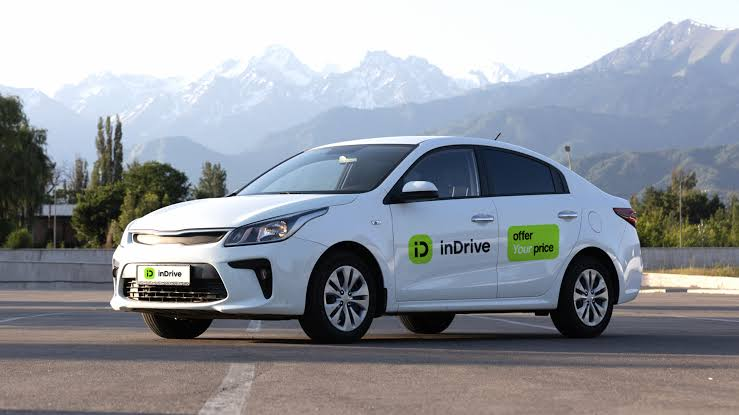
InDrive is emphasising low commissions, higher-earning opportunities and driver welfare as central elements of its strategy in Nigeria. According to a report published by Business a.m. the company is seeking to strengthen its position through a proposition that combines its approach to service fees with initiatives covering healthcare, insurance and driver safety.
The approach comes amid continuing pressure on drivers and operators to reconcile passenger affordability with the economics of providing transport services. Drivers face expenses that can include fuel, vehicle maintenance, insurance and financing, while operators must sustain the technology infrastructure, customer support and safety systems on which the service depends.
InDrive says its reduced service fee allows drivers to retain a greater proportion of the fares they earn. The company also presents welfare partnerships as a way of addressing some of the risks and costs associated with working on a ride-hailing platform. However, its claim that it charges the lowest commission in the industry was not accompanied by comparative data in the report. The precise commission rate was also not disclosed. The claim should therefore be understood as the company’s positioning rather than an independently established industry ranking.
Why the business model matters
Ride-hailing platforms operate in a two-sided market. They need enough drivers to provide reliable service and enough passengers to make driving economically worthwhile. If drivers believe that fees and operating costs leave them with inadequate earnings, they may reduce their working hours or move to competing platforms. If passenger fares become too expensive, demand may weaken.
The challenge is that a lower commission does not automatically guarantee a better outcome. The effect depends on trip volumes, fare levels, incentives, operating costs and the consistency of demand. A driver retaining a larger percentage of a fare may still earn less overall if the number of completed trips falls.
Welfare initiatives could provide a further source of differentiation, particularly if they deliver practical benefits that drivers value. Healthcare access, insurance arrangements and safety support may help build loyalty, but their commercial value will depend on how accessible and effective the programmes are.
For Nigerian businesses more broadly, the story illustrates the importance of understanding the people on whom a digital business depends. Platforms are often described as technology companies, but their operating models are also built around workers, suppliers and service partners.
BrandiQ Takeaway: In a platform business, the people delivering the service are part of the product. Low commissions may attract drivers, but sustainable competitive advantage depends on whether the platform can improve driver economics while maintaining passenger value and service reliability