


The Alternative Bank says public funding alone cannot meet Nigeria’s infrastructure needs, putting greater emphasis on bankable projects, innovative financing structures and stronger public-private partnerships.
Nigeria must significantly increase private-sector participation in infrastructure financing if it is to close its widening infrastructure gap, The Alternative Bank has said, warning that competing demands on public finances make it increasingly difficult for government budgets alone to fund the country’s infrastructure requirements.
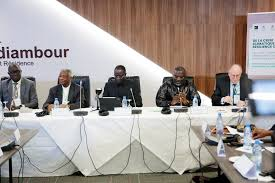
The bank made the argument during the Nigeria Infrastructure Conference (INFRACON) 2026 in Abuja, where policymakers, business leaders, development finance institutions and infrastructure experts examined mechanisms for moving infrastructure projects from planning to implementation. The conference, organised by the Nigerian Association of Chambers of Commerce, Industry, Mines and Agriculture, was held recently at the Afreximbank African Trade Centre Towers under the theme, “Mobilising Private Capital for Sustainable Infrastructure Development in Nigeria.”
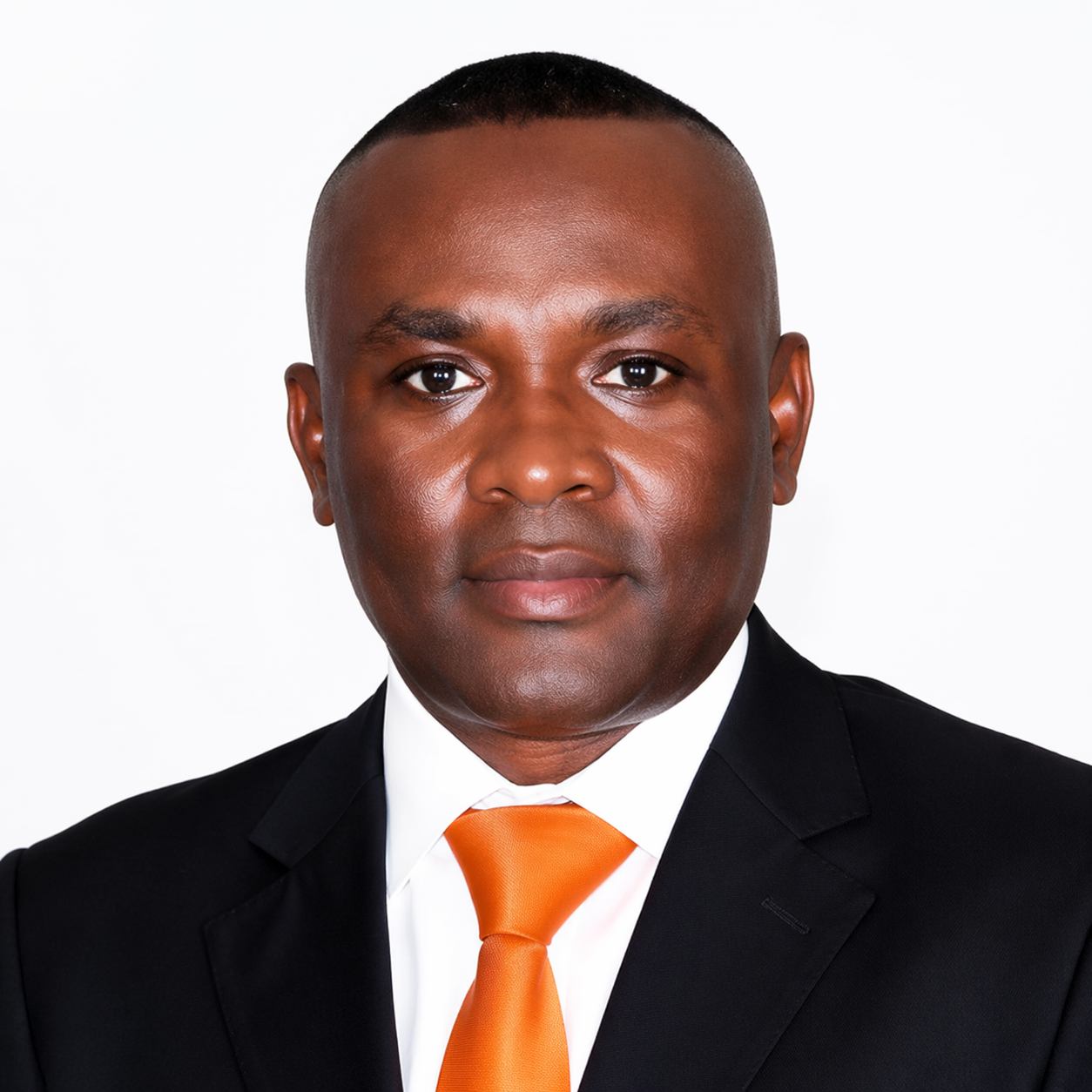
Speaking during a session titled “Financing Infrastructure – Unlocking Private Capital,” Jacob Achem, Branch Manager of The Alternative Bank’s Dei-Dei Branch, said Nigeria’s infrastructure deficit was too substantial to be addressed through public funding alone. Representing the bank’s Divisional Head, Achem said the country needed financing structures capable of bringing more private investors into infrastructure development.
“The infrastructure gap is too large to be addressed by public funding alone. We need to unlock private capital and create financing structures that allow more investors to participate in Nigeria’s development,” Achem said.
The bank said government resources were already under pressure from competing priorities, including security, healthcare, education, debt servicing and social spending. This, it argued, makes the mobilisation of long-term private capital increasingly important for financing sectors such as power, renewable energy, maritime infrastructure, the blue economy, digital infrastructure and projects at the subnational level.
According to The Alternative Bank, the challenge is no longer simply identifying Nigeria’s infrastructure deficits. The greater task is to develop bankable projects and appropriate financing structures capable of giving long-term investors sufficient confidence to commit capital. Such structures, it said, would require stronger collaboration among government institutions, financial institutions, development partners and private investors.
Achem also identified non-interest finance as another mechanism capable of contributing to infrastructure development by linking capital to productive assets and measurable economic outcomes. “Non-interest finance gives us another way to think about capital deployment. It connects financing with productive assets, sustainable projects, and real economic value,” he said.
The bank argued that such financing models could broaden the range of capital available to viable infrastructure projects at a time when fiscal constraints are limiting government’s ability to finance major projects directly.
Achem said Nigeria needed to move beyond repeatedly identifying its infrastructure requirements and concentrate on creating investment structures capable of converting viable projects into opportunities for private capital. “The question is no longer whether Nigeria needs infrastructure. The question is how quickly we can bring the right capital, structures, and partnerships together to deliver it,” he said.
The session on private capital and infrastructure financing was led by Kudakwashe Matereke, Regional Director, Anglophone West Africa, African Export-Import Bank. The discussions reflected the growing emphasis on financing models capable of attracting private and institutional investors while linking infrastructure investment to productive economic activity.
The Alternative Bank said the creation of more bankable projects, stronger partnerships and financing models suited to long-term investment would be critical to accelerating infrastructure delivery across Nigeria.
The bank’s position comes against a significant financing challenge. Former Minister of Finance and Coordinating Minister for the Economy, Olawale Edun, recently disclosed that Nigeria faces an estimated $14bn annual infrastructure investment gap, increasing the urgency of attracting both domestic and international investment into the sector.
BrandiQ Analysis
The central message from INFRACON is increasingly difficult to ignore: Nigeria’s infrastructure problem is not only a shortage of money; it is also a shortage of investment-ready projects and structures capable of converting capital into infrastructure.
Private capital will not automatically flow into roads, power, digital networks or ports simply because the need is enormous. Investors require predictable returns, credible institutions, transparent procurement, appropriate risk allocation and projects whose commercial and regulatory assumptions can withstand scrutiny. The policy challenge, therefore, is to transform infrastructure from a government expenditure problem into an investable asset class.
For Nigeria’s digital economy in particular, this distinction matters. Fibre networks, data centres, cloud infrastructure, digital payment systems and other technology infrastructure require substantial upfront investment but can generate long-term economic value. The country’s ambition to build a larger digital economy will consequently depend not only on technology adoption but on whether Nigeria can construct financing mechanisms capable of attracting patient capital into the infrastructure beneath that economy.
The next phase of Nigeria’s infrastructure story may therefore depend less on how much government can spend and more on how effectively government can create the conditions under which private capital is willing to build.